Certified Auto Collision Repair in Redlands: What to Check Before You File a Claim
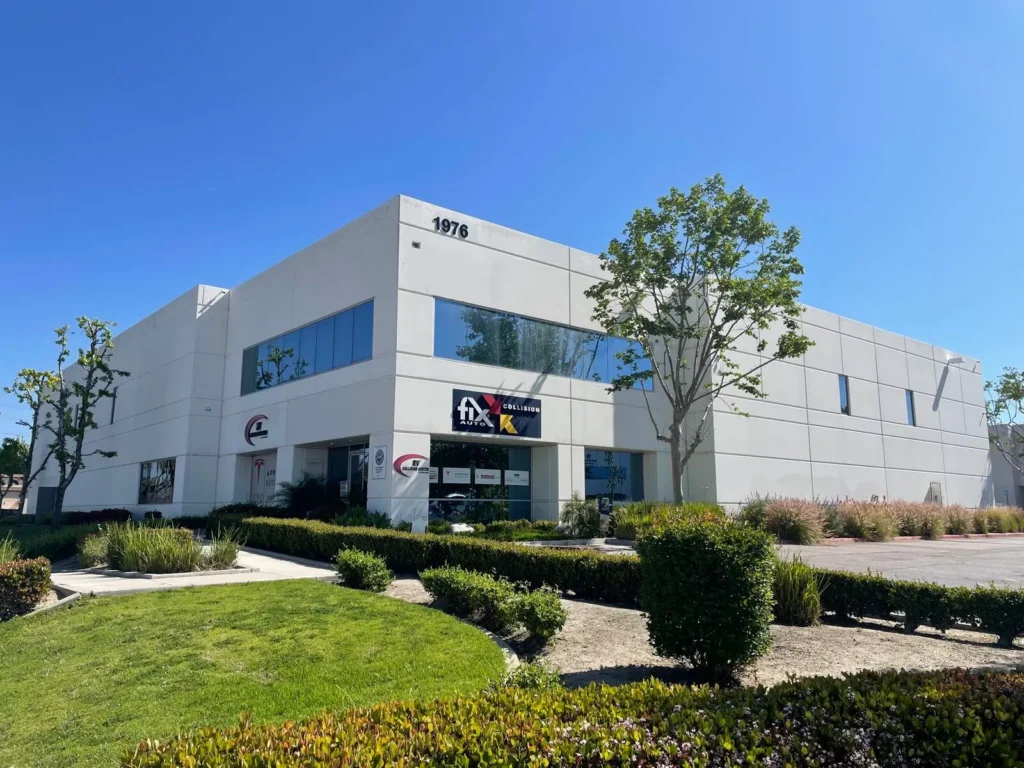
Navigating the aftermath of a vehicle accident in the Inland Empire involves more than just swapping insurance information and calling a tow truck. As a vehicle owner in Redlands, you are suddenly thrust into a complex ecosystem of insurance adjusters, repair estimates, and technical specifications that dictate the future safety of your car. The modern automobile is no longer just steel and glass; it is a sophisticated network of interconnected computers, sensors, and structural components designed to sacrifice themselves to save your life.
At RVCCR, we have spent 21 years as a family-owned pillar of the Redlands community, earning certifications from manufacturers like Tesla, Rivian, Ford, and Honda. We understand that a "minor" fender bender on the I-10 or a scrape in a downtown parking lot carries significant implications for your vehicle's structural integrity and resale value. Before you pick up the phone to file a claim, there are critical legal, technical, and logistical factors you must evaluate to ensure your vehicle is restored to factory specifications rather than just being "made to look pretty." The difference between a standard repair and a certified restoration can be the difference between a safety system that works in your next emergency and one that fails silently…
Understanding Your Rights: California Insurance Code § 758.5 and California Code of Regulations Title 10, § 2695.8
The most common misconception vehicle owners have after an accident is that their insurance company decides where the car is repaired. This is legally incorrect in the state of California. Under California Insurance Code § 758.5, also known as the anti-steering law, you have the legal right to choose any licensed automotive repair dealer for your vehicle's restoration.
Insurers often operate "Direct Repair Programs" (DRP), which are networks of shops that have agreed to certain pricing structures and administrative processes with the insurance carrier. While these programs can offer convenience, they can also create pressure around labor times, parts choices, and administrative shortcuts. That is exactly why understanding both your shop-choice rights and the insurer’s claim-handling duties matters so much after a collision…
How to Identify "Steering"
Steering is any attempt by an insurance company to unfairly influence your choice of a repair facility. According to Section 758.5, an insurer cannot:
- Require you to use a specific shop as a condition of coverage.
- Threaten to delay your claim if you choose an independent or certified shop like RVCCR.
- Make false claims about a shop’s quality or service record to discourage you from using them.
- Claim they won't "guarantee" the work unless you use their preferred vendor (legally, the shop, not the insurer, is responsible for the warranty on the actual repair).
If an adjuster tells you that choosing your own shop will result in out-of-pocket costs, it is important to verify whether those costs are actually unsupported under your policy or whether the insurer is simply trying to cap the repair at a level below what a certified repair requires. At RVCCR, we coordinate with all major insurance carriers to help keep the certified auto collision repair process aligned with OEM procedures without creating unnecessary friction for our customers.
A Practical Deep Dive Into California Fair Claims Settlement Practices Regulations, Title 10, § 2695.8
California’s Fair Claims Settlement Practices Regulations are a big part of what shapes the repair experience after a loss. California Code of Regulations, Title 10, § 2695.8 addresses standards for claims handling and settlement practices, and while customers rarely read it before an accident, it directly affects how estimates, parts discussions, supplements, and payment issues are supposed to be handled.
Here is why that matters in the real world.
1. The insurer must conduct a reasonable investigation
A collision estimate is not supposed to be a casual visual guess from across a parking lot. A proper claim evaluation should be based on the facts of the loss and the actual damage present. In modern collision repair, that often means hidden damage is discovered only after disassembly. Bumper covers can hide crushed absorbers, damaged brackets, bent reinforcement bars, broken active grille shutters, cracked radar mounts, and wiring issues. A preliminary insurer estimate may be incomplete simply because the damage was not fully exposed yet.
That does not automatically mean the estimate is wrong in bad faith. It does mean supplements are normal. Under California claims-handling rules, insurers are expected to fairly evaluate additional documented damage as it is discovered. This is one reason blueprinting and teardown matter so much at a certified repair facility.
2. The insurer cannot insist on an inadequate repair method
If the manufacturer says a component must be replaced, sectioned at a specific location, welded with a specified process, bonded with approved materials, or calibrated after installation, then the repair plan should reflect that requirement. A repair should not be based on what is cheapest if that method conflicts with the OEM procedure. This becomes especially important on vehicles with advanced materials, bonded structures, battery protection zones, and integrated driver-assistance systems.
3. Like kind and quality has limits
California claim conversations often involve terms like aftermarket, used, recycled, reconditioned, or LKQ. The practical question is not just whether a part can physically bolt on. The question is whether it restores fit, function, corrosion protection, sensor performance, structural behavior, and appearance appropriately for the vehicle. On some repairs, non-OEM components may create issues with fitment, finish, or calibration targets. On others, OEM documentation may effectively control the repair decision because the procedure is specific to the original design.
For customers, the takeaway is simple: if the repair involves safety systems, structural parts, restraint systems, camera or radar mounting, battery protection, or manufacturer-required one-time-use hardware, ask what the OEM procedure says first.
4. Written explanations matter
When an insurer pays less than a shop’s documented repair plan, there should be a clear explanation. When a part type is changed, there should be clarity. When a supplement is approved or denied, documentation matters. Good repair outcomes usually follow good paperwork. Poor communication is where delays, confusion, and distrust start.
5. Your estimate may change because the damage picture changes
Customers are often surprised when a repair estimate grows after teardown. That does not necessarily mean the first number was careless. It usually means hidden damage has now been documented. A professional shop should explain what changed, why it changed, and what procedure or part requirement supports the supplement. A professional insurer should then review that support on the merits of the claim.
6. You are entitled to a repair that addresses the loss, not just the visible dent
The purpose of the claim is not cosmetic concealment. It is to restore loss-related damage appropriately under the policy. In a 2026 vehicle, that may include scanning, aiming, calibrating, programming, module checks, and replacing fasteners or sensors that seem minor on paper but are critical in practice.
When customers understand § 2695.8, they are in a better position to ask informed questions:
- Was the vehicle disassembled enough to identify hidden damage?
- Are OEM repair procedures being consulted?
- Are scans and calibrations included where required?
- Is the insurer responding to supplements based on documentation?
- Are part choices appropriate for the repair and vehicle technology involved?
That legal framework does not repair the car by itself, but it sets the expectation that the claim should be handled fairly, reasonably, and with enough technical rigor to support a proper repair.
The Technical Reality: Why OEM Certification is Non-Negotiable
A "certified" shop is one that has been vetted, equipped, and trained by the vehicle manufacturer (Original Equipment Manufacturer, or OEM) to repair their specific vehicles. This is not just a marketing badge; it represents a major investment in specialized equipment, controlled repair processes, current repair information access, and continuing technician education.

ADAS Calibration and Your Safety
Modern vehicles are equipped with Advanced Driver Assistance Systems (ADAS), which include automatic emergency braking, lane support features, blind-spot monitoring, adaptive cruise functions, park assist, and camera-based driver information systems. These features make vehicles safer, but they also make post-collision repair far more technical than many drivers realize.
According to the Insurance Institute for Highway Safety (IIHS), front crash prevention systems including AEB have shown meaningful crash-reduction benefits. The National Highway Traffic Safety Administration (NHTSA) has also finalized standards that will require automatic emergency braking on new passenger vehicles in coming model years, reflecting how central these systems have become to vehicle safety. The key issue for collision repair is straightforward: these systems depend on precise mounting positions, stable brackets, correct ride height, undisturbed structural geometry, and exact calibration procedures.
A vehicle can look visually repaired and still have an unsafe ADAS system if the underlying process was incomplete.
Static vs Dynamic ADAS Calibration
This is one of the most misunderstood topics in collision repair estimates.
Static calibration is performed with the vehicle stationary, usually inside a controlled environment. The repair facility positions targets, boards, aiming fixtures, lasers, or measurement tools at exact distances and heights relative to the vehicle. Lighting, floor levelness, tire pressures, ride height, fuel level, wheel alignment status, and cargo load can all matter depending on the OEM procedure. Static calibration is common for many forward-facing cameras, surround-view systems, and some radar or sensor routines.
Dynamic calibration is performed while the vehicle is driven under specific road conditions spelled out by the manufacturer. The system learns or validates its orientation through real-world driving input. Speed range, lane markings, weather, traffic conditions, and road type may matter. Some procedures require a static step first and a dynamic confirmation second. Others are dynamic only. Some vehicles require alignment before calibration. Some require no visible sensor replacement at all; simply disturbing related components can trigger a required recalibration.
That distinction matters because "it just needs a scan" and "it needs calibration" are not the same thing.
Here is a practical way to think about it:
- A pre-repair scan helps identify fault codes, system status, and impacted modules before work begins.
- A post-repair scan checks whether all systems communicate correctly after repairs are complete.
- A calibration is a procedure to return specific ADAS components to OEM-defined aiming or operational parameters.
- A test drive is not the same as a dynamic calibration unless the OEM procedure specifically defines it that way.
On a modern repair, calibration needs may be triggered by:
- Bumper cover removal or replacement
- Front-end or rear-end structural work
- Windshield replacement
- Suspension or ride-height changes
- Wheel alignment adjustments
- Steering angle sensor issues
- Mirror replacement
- Radar bracket movement
- Camera mount disturbance
- Battery disconnects or module replacement
- Airbag deployment events
- OEM procedure requirements tied to even minor disassembly steps
When a shop is OEM certified, the process is supposed to follow the manufacturer’s service information rather than assumptions or shortcuts.
More Specific OEM Certification Value for Tesla, Rivian, Ford, and Honda
For customers comparing shops, the phrase "we work on that brand" is not the same as manufacturer certification. The gap between general repair capability and certified capability is often where the biggest safety and quality differences show up.
Tesla
Tesla collision repair requires a shop to work within a manufacturer-specific environment that typically includes approved equipment, dedicated repair procedures, current access to Tesla repair information, and trained personnel. Tesla vehicles also involve unique considerations around high-voltage safety, structural aluminum and mixed-material repair, battery protection areas, sensor and camera systems, and model-specific repair restrictions. Depending on the model and damage area, procedures can include strict sectioning limits, replacement mandates, bonding and fastening requirements, corrosion considerations, and post-repair checks that general shops may not be set up to perform correctly.
For customers, the point is simple: a Tesla does not stop being a Tesla just because the damage looks minor.
Rivian
Rivian repair introduces another layer of complexity because of vehicle architecture, EV battery considerations, integrated electronics, material mix, and evolving service documentation. Rivian-certified repair capability generally points to approved tooling, current procedures, training, and the ability to handle repairs in line with manufacturer expectations. Because Rivian vehicles are still relatively new in the market, access to current information and proper repair pathways matters even more. If a shop is not already equipped and trained for that ecosystem, the learning curve can work against the owner.
Ford
Ford certification matters because Ford, Lincoln, and many late-model trucks and SUVs can involve advanced steels, aluminum-intensive construction on certain models, model-specific joining methods, scan and calibration requirements, and documented repair procedures tied to specific restraint and structural systems. Certification signals that a shop has invested in training, equipment, and process controls to work within Ford’s repair standards rather than treating each repair like a generic body job.
Honda
Honda-certified collision repair is important because Honda repair procedures are known for being specific about replacement versus repair decisions, sectioning locations, restraint-system considerations, scanning requirements, and the use of documented repair methods. Honda and Acura vehicles often require careful attention to sensor aiming, structural strategy, and one-time-use hardware. A shop that follows Honda procedures is better positioned to protect the vehicle’s intended crash performance and safety-system function.
For Redlands-area drivers, this is where RVCCR stands apart. We are not trying to be a generic shop for every situation. We have built our operation around certified, manufacturer-aligned repair for brands that demand it, including Tesla, Rivian, Ford, and Honda. That translates into better process control, better documentation, better equipment alignment, and better odds that your vehicle is returned to factory specifications instead of just looking repaired from ten feet away.
Structural Integrity and "One-Time Use" Parts
Many modern vehicles use ultra-high-strength steel, aluminum, mixed materials, adhesives, rivets, and engineered crush structures in their frames and bodies. These materials often cannot be treated the way older heavy-gauge steel vehicles once were. Some components cannot be heated, some cannot be straightened, some must be replaced instead of repaired, and some require very specific joining methods at exact factory locations.
If a shop uses the wrong repair method on an ultra-high-strength steel component, the material properties can change. If a bonded or riveted assembly is repaired with an unapproved substitute method, crash performance can be affected. If one-time-use hardware is reused when the OEM says replace, clamping force, corrosion protection, or retention may no longer be what the vehicle was engineered to rely on.
This is also where estimate line items that look small on paper become important in practice:
- seam sealer
- corrosion protection materials
- weld-bonding materials
- rivets
- one-time-use fasteners
- structural adhesives
- foams
- clips and retainers
- undercoating restoration
- post-repair scans
- aiming and calibrations
To a customer, those can look like nickel-and-dime additions. To a certified technician, they are often the difference between a shortcut and a complete repair.
What to Check Before You Call the Adjuster
Before you officially open a claim, performing a preliminary self-audit can save you weeks of headaches and protect you from preventable surprises during the estimate process.
1. Assess the "Hidden" Damage
Modern bumpers are designed to pop back into shape, hiding significant structural damage underneath. Look for:
- Panel Gaps: Are the gaps between the hood and fenders uneven?
- Warning Lights: Are there any new lights on the dashboard, even if the car "drives fine"?
- Suspension Feel: Does the car pull to one side or feel "loose" over bumps?
- Sensor Function: Are parking sensors, blind-spot indicators, front radar features, or backup cameras behaving differently?
- Water or Air Leaks: After side or rear damage, do you notice unusual wind noise or moisture?
2. Verify Your Deductible and Coverage
Check your policy for deductible details, rental reimbursement, and any endorsements that affect parts selection. Some standard policies allow the insurer to specify "Like Kind and Quality" (LKQ) or aftermarket parts. These are parts not made by your vehicle's manufacturer. While they may look similar, they may not match the same design, fitment, corrosion treatment, or sensor compatibility. If you are the owner of a high-tech vehicle, such as a Tesla or EV, parts choice becomes even more important because repair procedures, calibrations, and component compatibility can be tightly linked.
3. Consider Your "Total Loss" Threshold
In California, a vehicle is generally considered a total loss when the cost to repair plus salvage value reaches or exceeds the vehicle’s actual cash value, though the exact claim math can vary by carrier and file circumstances. If you have a vehicle you want to retain, one with difficult replacement availability, or one with specialty equipment, you will want an accurate damage blueprint early so the decision is based on real repair information rather than a rushed first glance.
4. Understand How to Read a Collision Repair Estimate
One of the best ways to protect yourself during a claim is to understand what you are looking at when the estimate arrives. Many customers assume an estimate is a single fixed promise. In reality, it is a working repair document that may evolve as hidden damage is uncovered.
What the estimate is really showing you
A collision estimate usually includes:
- vehicle identification information
- customer and insurer claim details
- a list of visible damage operations
- line-by-line labor entries
- parts pricing and part type
- paint and materials calculations
- notes, overlap deductions, and included operations
- possible scan, calibration, sublet, or mechanical charges
- estimate totals before and after supplements
It may also include abbreviations that are never explained to the customer, which is where confusion starts.
P-Pages: the Procedure Pages behind the estimate
Most major estimating systems use what the industry commonly calls P-Pages, or Procedure Pages. These are the rules, assumptions, included operations, and estimating logic built into the estimating platform. They matter because two people can look at the same estimate line and assume different things are included when they are not.
For example, a labor time for replacing a panel may include some standard steps but not include every vehicle-specific operation required by the OEM. The estimate system may assume reusable clips unless documented otherwise. It may not automatically add aiming, programming, corrosion restoration, seam sealer replacement, destructive weld testing, scan charges, or calibration procedures unless the estimator documents them separately.
That is why a good estimate is not just about what software says by default. It is about whether the human writing it understands:
- what the estimate system includes
- what the estimate system excludes
- what the OEM requires beyond the default estimate logic
- what hidden damage is likely present after teardown
A professional blueprint bridges the gap between P-Page assumptions and real repair requirements.
Common labor types on an estimate
Customers in Redlands often ask why one repair has several labor categories instead of one flat total. The reason is that different work is performed by different departments, with different tools, skills, and rate structures.
Body labor usually covers removal, replacement, repair, fitting, and adjustments of exterior and related components. Think panels, bumper assemblies, trim, lamps, handles, and many disassembly/reassembly operations.
Paint labor generally covers the refinishing process. That can include surface preparation, masking, priming, color application, blending adjacent panels when necessary, and final finish work. Paint materials are often listed separately from paint labor.
Mechanical labor covers repairs involving systems and components outside pure body/refinish work. That can include suspension items, cooling components, steering-related parts, A/C related removals, radiators, condensers, engine-bay components, or other mechanical systems affected by the loss.
Frame labor applies when structural measuring, pulling, setup, correction, or structural repair operations are necessary. On a unibody vehicle, "frame" work may still appear even though the vehicle does not have a traditional full frame. This category usually reflects structural correction, measuring, anchoring, setup, and related repair tasks.
You may also see or hear about:
- blend operations
- R&I (remove and install)
- R&R (remove and replace)
- repair vs replace decisions
- sublet charges for outside specialized services
- hazardous waste or disposal fees
- scan and calibration entries
- feather, prime, and block operations
- denib and polish
- aim or initialize procedures
- road test and quality control checks
Why estimates and final bills can differ
The first estimate is often based on visible damage only. Once the vehicle is disassembled, the shop may find hidden damage behind the bumper, under lamps, in brackets, in absorber material, inside quarter panel structures, or at sensor mounts. That triggers a supplement. Supplements are not automatically a red flag. In collision repair, they are often the normal result of seeing more of the damage.
The right question is not "why did it go up?" The right questions are:
- what new damage was found?
- what photos or measurements support it?
- what OEM procedures apply?
- are scans, calibrations, and one-time-use items included?
- is the estimate restoring function and safety, not just appearance?
When a shop can explain those points clearly, the customer is in a much better position to navigate the claim with confidence.
The Local Advantage: Why Redlands Choice Matters
Choosing a local, family-owned shop like RVCCR offers a level of accountability that national chains struggle to match. We’ve spent over two decades serving the Inland Empire, building relationships with local insurance adjusters while maintaining our independence. This local expertise is especially critical for specialized vehicles. For example, our RV repair and collision work requires a completely different set of skills and facilities, including the space, tooling, and process control to handle larger units that standard auto shops simply do not possess.

When you work with a local certified facility, you aren't just a claim number. You are a neighbor whose safety we take personally. We back all our work with a written lifetime warranty, providing peace of mind that your vehicle is not just fixed for today, but restored for the life of the car.
Diminished Value in California: The 17c Formula vs Reality
Even when a vehicle is repaired correctly, an accident history can still affect market perception. That is the basic concept behind diminished value: the difference between what a vehicle was worth before the collision and what it may be worth after the collision, even after proper repairs are completed.
This topic creates a lot of confusion because drivers hear about online calculators, blanket formulas, and one-size-fits-all answers that do not match how real vehicles are bought and sold.
What people mean by "17c"
The 17c formula is a method often discussed online in diminished-value conversations. It is commonly referenced because it gives a simple framework for calculating a reduced amount based on factors like vehicle value, damage severity, and mileage. The problem is that people often treat it as though it were a universal rule that automatically determines what a California claim should pay.
That is not how reality works.
The 17c approach may show up in conversations because it is easy to plug into a spreadsheet. But real-world diminished value depends on facts that the formula cannot fully capture, such as:
- pre-loss condition
- age and mileage
- make and model desirability
- severity and location of damage
- structural involvement
- airbag deployment
- brand-specific market sensitivity
- whether the repair history shows OEM-certified work
- how dealers, buyers, and appraisal professionals in the market react to the loss history
A repaired late-model luxury EV, a mass-market commuter car, and a specialty truck do not all experience market stigma the same way.
California reality: practical rather than formula-only
In California, diminished value is not a magic line item that appears automatically on every repair estimate. It is a separate claim issue and it can be highly fact-specific. Customers are often disappointed because they assume that once the shop completes repairs, the insurer will voluntarily add diminished value money to the settlement. In practice, the repair invoice and the diminished value discussion are usually separate matters.
A few practical points are worth understanding:
- A repair estimate is focused on the cost to fix physical damage.
- A diminished value claim is focused on market impact after repair.
- The strongest diminished value arguments usually involve meaningful loss history, not just a light cosmetic scratch with no significant repair record.
- Documentation matters. Repair quality, parts selection, structural involvement, and calibration completeness can all influence how a vehicle is perceived later.
Why repair quality still matters to diminished value
A proper repair does not erase accident history, but it can help prevent unnecessary additional loss. A sloppy repair can make diminished value worse. Poor panel fit, mismatched paint, visible tape lines, recurring warning lights, missing calibration documentation, or use of questionable parts can all create more buyer skepticism later. By contrast, a well-documented repair at a certified facility helps support the position that the vehicle was restored properly and responsibly.
That does not guarantee a certain resale result. It does improve the story behind the repair.
What Redlands-area drivers should do
If you think your vehicle may have a valid diminished value issue after a significant collision, keep the file organized:
- photos of damage before repair
- final repair invoice
- supplements
- scan and calibration documentation if available
- OEM procedure support where relevant
- proof of pre-loss condition and mileage
- comparable market information if you later pursue a diminished value discussion
The main takeaway is this: the 17c formula is often treated like an answer because it is simple. Real diminished value is more nuanced. In California, vehicle type, severity, documentation, and market response matter more than a shortcut formula pulled from the internet.
Step-by-Step: The Professional Repair Path
If you decide to move forward with a claim, here is the roadmap we follow at RVCCR to ensure factory-quality results:
- Initial Triage and Photo Documentation: We document the vehicle's condition as it arrived, including a full diagnostic scan to identify silent electronic codes and obvious safety issues.
- Disassembly and Blueprinting: We do not guess from the outside. We remove damaged panels to find hidden structural issues, creating a comprehensive repair blueprint.
- Insurance Coordination: We present our findings and the manufacturer’s required repair procedures to your insurance company, advocating for proper parts, required operations, and calibration time.
- Structural and Mechanical Repair: Using OEM-aligned methods and equipment, we restore structural and mechanical damage as required by the repair plan.
- Refinishing: Our paint department uses color-match processes and controlled refinishing steps to restore appearance in line with the surrounding factory finish.
- Reassembly and Calibration: The vehicle is put back together, and all required ADAS, sensor, and system procedures are completed based on the OEM documentation.
- Quality Control and Final Scan: A second diagnostic scan is performed to verify system status and help confirm the vehicle is ready for delivery.
Frequently Asked Questions From Redlands Drivers
Can a shop waive my deductible in California?
Customers ask this all the time, especially after a stressful accident. The short answer is that you should be cautious anytime a deductible waiver is being used as the main sales pitch. Your deductible is part of your insurance contract. There are legitimate promotions in some industries and situations, but in collision repair, the safer approach is to ask for a clear written explanation of exactly how the numbers are being handled and whether any repair operations, materials, or parts choices are being reduced to offset that promise. If the math feels vague, ask more questions.
Will my insurance company pay for a loaner car?
Not automatically. Whether you receive rental or loaner assistance usually depends on your policy coverage, claim circumstances, and insurer approval. Some customers carry rental reimbursement coverage; others do not. A repair shop may help coordinate logistics, but that does not mean the insurer is obligated to pay unless your policy supports it. If transportation matters to your household, verify that early.
Does RVCCR provide loaner cars?
Availability and claim circumstances can vary, so this is something to confirm directly with our team when scheduling. The most important point for customers is not to assume that every repair automatically includes a loaner. Transportation planning should happen at the start of the claim, especially for Redlands commuters who rely on their vehicle daily.
Do I have to go to the insurance company’s preferred shop first?
No. In California, you generally have the right to choose your repair facility. You may receive an insurer estimate or be referred into a DRP network, but that does not eliminate your right to choose the shop that repairs the vehicle.
Why does my estimate from the insurer look lower than the shop estimate?
Usually because the insurer’s first estimate is written from visible damage only, while the shop’s plan may include disassembly findings, OEM-required operations, scans, calibrations, one-time-use parts, and additional damage not visible at first inspection. The question is not which piece of paper is shorter. The question is which one reflects the real repair requirements.
Do I need OEM parts?
That depends on your policy, your vehicle, and the damage area, but OEM parts are especially important when fit, finish, corrosion protection, structural behavior, electronics integration, and ADAS performance are at issue. On certified-brand repairs, OEM procedures often drive the conversation.
Is calibration really necessary after a minor collision?
In many cases, yes. Even a seemingly light impact can affect sensor mounts, bumper components, alignment-related geometry, camera positions, or vehicle systems that now require verification. The need for calibration is determined by OEM procedure, not by how small the dent looks.
Why did the repair supplement after teardown?
Because hidden damage is common. Modern vehicles are layered. What looks like a cracked bumper cover can include damaged absorbers, brackets, shutters, brackets for radar, wiring, lamps, or structural components behind the visible panel.
Can I file a diminished value claim in California?
You can raise the issue, but diminished value is separate from the physical repair estimate and is often highly dependent on the facts. Significant collision history, structural involvement, vehicle type, and market perception usually matter more than generic online formulas.
How long will my repair take?
That depends on parts availability, damage severity, insurer response time on supplements, calibration requirements, sublet needs if any specialized operation is outsourced, and how much hidden damage appears after teardown. A trustworthy shop should set expectations honestly instead of promising an unrealistic quick turnaround.
What should I bring when I come in for an estimate in Redlands?
Bring the vehicle if it is drivable, your insurance information, claim number if one has already been opened, registration, and photos or accident details if available. If the car has warning lights or drivability concerns, mention that right away.
What if my Tesla, Rivian, Ford, or Honda has only cosmetic damage?
That may still require brand-specific procedures. Cosmetic-looking damage can affect brackets, sensors, one-time-use hardware, wiring, hidden structural pieces, or calibration requirements. The outside appearance does not always tell the whole story.
Why choose a Redlands certified shop instead of a lower quote farther away?
Because convenience on the front end can become cost on the back end if the repair path is incomplete. A local certified facility gives you better access to communication, documentation, reinspection if needed, and manufacturer-aligned repair processes close to home.
Moving Forward with Confidence
Dealing with an auto accident is stressful, but the repair process should still be clear, documented, and safety-focused. When you understand your rights under California law, know how to read an estimate, recognize when ADAS calibrations matter, and ask informed questions about parts and procedures, you put yourself in a much stronger position to protect both your vehicle and your claim.
That matters even more in a market like Redlands, where many drivers depend on their car every day for commuting, school runs, business travel, and weekend trips across the Inland Empire. A rushed repair may look acceptable in the parking lot, but the real standard is whether the vehicle has been restored in a way that respects its engineering, safety systems, and long-term value.
At RVCCR, we make the transition from "accident" to "adventure" as seamless as possible. We offer free estimates, coordinate with insurers, and perform manufacturer-aligned repairs for drivers who want more than a cosmetic patch. Whether you drive a family SUV, a commuter sedan, an EV, or a specialty vehicle, our goal is simple: repair it correctly, document it thoroughly, and return it ready for the road ahead.

If your vehicle has been damaged in Redlands or anywhere in the Inland Empire, choose a team that knows how to advocate, measure, calibrate, and restore. Let’s get you back behind the wheel with confidence so your next drive feels like yours again.
Need a repair estimate?
Skip the wait — send us a few photos and our team will get back to you fast.
Start a Photo Estimate →