Tesla Structural Adhesive Repair: What Makes Certified Bonding Different From Standard Body Shop Glue
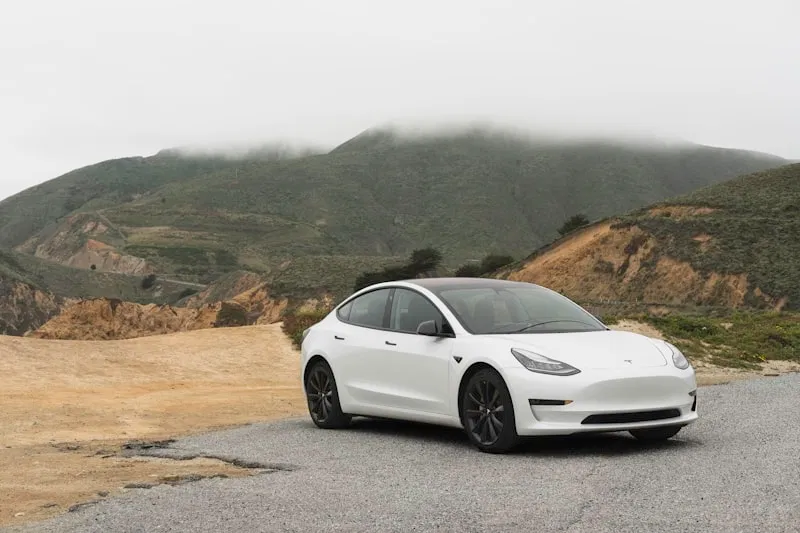
Operating as an established OEM-certified collision facility in the Inland Empire requires navigating profound shifts in automotive manufacturing, where traditional steel spot-welding has largely yielded to advanced multi-material integration. When a modern electric vehicle sustains structural impact, restoring its crash safety relies less on traditional arc welding and more on aerospace-grade structural adhesives and precision rivet bonding. For vehicle owners seeking a trusted tesla certified collision center, understanding the rigorous chemistry and application protocols mandated by Tesla is critical to ensuring structural integrity, occupant protection, and factory warranty preservation…
The Evolution of Vehicle Construction: Why Tesla Relies on Structural Epoxies
Modern Tesla vehicles: including the Model 3, Model Y, Model S, and Model X: are engineered as complex multi-material structures combining stamped aluminum, aluminum extrusions, high-strength boron steel, and massive single-piece aluminum rear and front floor castings. Unlike legacy steel vehicles held together by thousands of spot welds, Tesla's body architecture utilizes a hybrid joining methodology known as weld-bonding. This technique combines structural adhesives with mechanical fasteners such as flow drill screws (FDS), self-piercing rivets (SPRs), and structural blind rivets.
Structural adhesives are not mere sealants or secondary holding agents; they are primary load-bearing structural components designed to withstand severe crash forces. Standard body shop panel bonders, commonly used in traditional collision repair for generic cosmetic skin replacements, lack the tensile shear strength, impact resistance, and fatigue endurance required by Tesla engineering specifications. When an uncertified shop substitutes generic aftermarket adhesive for OEM-specified toughened epoxies, the microscopic molecular matrix of the bond can fracture prematurely under torsional stress, compromising the occupant safety cell during a secondary collision.
At RVCCR, our technicians adhere strictly to factory engineering standards for every certified auto collision repair, ensuring that the exact chemical formulations mandated by Tesla are utilized for every structural joint.
Adhesive Bonding vs. Traditional Spot Welds: Stress Distribution Mechanics
To appreciate why certified structural bonding demands uncompromising precision, one must examine how stress travels through a vehicle structure during impact. Traditional spot welds create localized stress concentration points: tiny nuggets of fused metal where the entire load of a collision converges under severe tension. Under high-amplitude impact loads, these weld nuggets can act as stress risers, initiating fatigue cracks that propagate through surrounding metal panels.
Structural adhesives, conversely, distribute mechanical loads continuously across the entire bonded surface area. By eliminating point-load concentrations, high-performance epoxy bonds share shear, tensile, and peel stresses uniformly across the joint interface. When combined with mechanical fasteners in a rivet-bonded assembly, the adhesive and the rivet work in synergy: the rivets provide initial clamping force and immediate mechanical shear resistance, while the continuous adhesive layer absorbs vibrational energy, prevents panel flutter, and distributes crash impact forces evenly throughout the chassis.

However, achieving this harmonious load distribution requires exact adherence to OEM application windows. If an adhesive bead is too thin, metal-to-metal contact can occur under load, causing fretting corrosion and localized stress failure. If the bead is too thick, excess adhesive squeezes out, creating void spaces and weakening the bond line's shear capacity.
Strict Tesla Requirements: Approved Epoxies and Material Chemistry
Tesla does not permit generalized chemical substitutions in structural bonding. The Tesla Body Repair Manual (BRM) explicitly dictates specific, OEM-tested structural adhesives for distinct structural zones. The approved formulations include:
- Fusor 2098 Structural Adhesive (Parker LORD 2098; Tesla P/N 1062697-00-A): A two-component, rubber-toughened epoxy engineered specifically for aluminum and multi-material bonding, offering exceptional peel and impact strength under extreme thermal variations.
- BETAMATE 2098 (DuPont): A high-performance structural adhesive designed to increase torsional rigidity while maintaining crash energy absorption in aluminum-intensive architectures.
- 3M Impact Resistant Structural Adhesive 07333 (Tesla P/N 1086834-00-A): A specialized toughened epoxy providing superior durability in high-stress crash management zones such as rocker panels, hinge pillars, and longitudinal frame rails.
Using non-approved adhesives creates immediate liability. Generic body shop adhesives frequently fail to cure properly when interacting with Tesla's proprietary E-coat primers or specialized aluminum surface conversion coatings. Furthermore, standard adhesives lack the thermal stability required to withstand the heat generated during subsequent component baking or battery pack thermal events.
For owners searching for a reliable ev repair shop near me, verifying that the facility stocks and utilizes these exact OEM-specified epoxies is the single most effective safeguard against compromised structural repairs.
Substrate Preparation: The Foundation of Certified Bonding
The integrity of a structural adhesive bond is only as robust as the surface preparation of the substrates being joined. Unlike casual gluing, structural bonding in aerospace and automotive manufacturing is a metallurgical science requiring immaculate surface hygiene and precise mechanical conditioning.
When repairing an aluminum frame rail or structural reinforcement member on a Tesla, technicians must execute a multi-step preparation protocol:
- Solvent Degreasing: Mating surfaces are meticulously cleaned using approved isopropyl alcohol (IPA) or specialty degreasers to remove all manufacturing oils, machining lubricants, and particulate contaminants. The solvent must be wiped dry immediately; air-drying is strictly prohibited to prevent flash contamination.
- Mechanical Abrasion: Bare aluminum surfaces that have been exposed to ambient air for more than two hours develop a microscopic oxide layer. Technicians must mechanically abrade the surface using calibrated sanding tools to remove aluminum oxide and create microscopic surface roughness (mechanical keying) that maximizes adhesive anchorage.
- Primer Application: Where mandated by Tesla repair procedures, specialized wash primers or adhesion promoters are applied in controlled film thicknesses to create a chemical bridge between the metal substrate and the epoxy matrix.
Skipping or rushing any of these preparation steps: a common shortcut in high-volume, non-certified body shops: results in interfacial bond failure. Even microscopic traces of residual oil or un-abraded aluminum oxide will prevent the adhesive from bonding chemically with the metal, leading to delamination under normal driving vibrations or catastrophic separation during a collision.
Rivet Integration and Precision Dispensing Protocols
Structural adhesives are rarely applied in isolation; they function as part of an integrated fastening system. Tesla's repair procedures dictate exact sequences for applying adhesive beads alongside structural rivets, flow drill screws, and blind fasteners.
Specialized pneumatic dispensing guns equipped with digital metering systems are required to ensure consistent mixing ratios of the two-part epoxy cartridges. Manual caulking guns are entirely inadequate for structural applications, as uneven mixing ratios result in incomplete chemical cross-linking and localized soft spots within the cured adhesive.
Once the adhesive is applied in the exact bead location, diameter, and profile specified in the Tesla BRM, components are brought together and clamped using precision positioning jigs. Structural rivets (such as 6.5mm high-strength flange rivets) are then driven using certified pneumatic-hydraulic rivet guns designed to deliver exact seating force without distorting surrounding aluminum stampings. The rivets hold the panels securely in alignment while the adhesive undergoes its critical curing phase.
The Curing Protocol: Thermal Activation and Precision Heat Lamps
A common misconception among uncertified repairers is that structural epoxies cure adequately at room temperature. While ambient-temperature curing allows an adhesive to achieve handling strength over 24 hours, achieving full structural crash integrity and maximum tensile strength requires rigorous thermal activation.
Tesla structural repair specifications mandate precise baking protocols for bonded joints. Technicians utilize precision infrared heat lamps or specialized induction heating blankets to elevate the temperature of the bonded area to 60–80°C (140–176°F) and maintain that precise thermal window for a minimum of 30 minutes.
This thermal baking cycle accelerates the chemical cross-linking of the epoxy resin and hardener, unlocking the material's maximum shear strength and impact resistance. Conversely, overheating a bonded assembly above 100°C (212°F): or failing to reach the minimum cure temperature: destroys the molecular structure of the epoxy, rendering the repair structurally unsafe. Maintaining strict pyrometric control during the cure cycle is a hallmark of certified craftsmanship.

The Risks of Non-Certified Repairs: Delamination and Galvanic Corrosion
Entrusting a Tesla structural repair to a facility lacking OEM certification exposes the vehicle owner to severe, often invisible risks. Beyond the immediate danger of structural adhesive failure during a subsequent impact, non-certified repairs frequently introduce galvanic corrosion at the bond line.
Galvanic corrosion occurs when dissimilar metals: such as steel fasteners or brackets coming into direct contact with aluminum structural members: are exposed to moisture without proper electrochemical isolation barriers. Non-certified shops using generic adhesives or improper fasteners frequently fail to apply the specific barrier primers and anti-corrosion coatings required by Tesla. Over time, electrolytic action destroys the metal at the joint interface, silently eating away at the vehicle's structural load paths until structural failure occurs under normal road stresses.
Furthermore, improper adhesive application can interfere with vehicle electronic sensors, high-voltage battery enclosures, and structural crash management zones. A compromised rail section that fails to absorb impact energy as engineered by Tesla can transfer lethal crash forces directly into the cabin passenger cell.
The Financial and Technical Investment in Certified Procedures
Proper structural adhesive restoration requires substantial capital investment by the repair facility. Between specialized pneumatic dispensing equipment, precision induction heaters, certified rivet guns, and expensive OEM-approved structural epoxies, material and tooling costs for a major rail or sill replacement range between $500 and $2,000 in consumables alone per repair section.
When factoring in continuous technician training through official OEM certification programs, diagnostic scanning, and specialized aluminum containment bays to prevent cross-contamination from steel grinding dust, it becomes clear why certified collision repair commands rigorous standards. These investments ensure that every vehicle restored at our Redlands facility meets or exceeds factory safety specifications.
For transparent guidance on insurance claims, estimates, and certified repair logistics, vehicle owners can easily request a free estimate online or visit our facility directly.
What Vehicle Owners Should Ask Their Repair Facility
When evaluating collision repair options after an accident, vehicle owners should ask direct, technical questions to verify the shop's capabilities:
- Are your technicians officially certified by Tesla to perform structural aluminum and adhesive bonding repairs?
- Which specific OEM-approved structural adhesives (e.g., Fusor 2098 or BETAMATE 2098) do you use for rail and pillar replacements?
- Do you utilize certified thermal curing equipment to bake structural adhesive joints according to factory temperature specifications?
- Can you provide documentation and material lot numbers for every structural adhesive and rivet used in my vehicle's repair?
Demanding clear, verifiable answers protects your investment, your vehicle's resale value, and most importantly, your family's safety on the road.

Restoring Factory Safety and Peace of Mind
Navigating the aftermath of a collision is undeniably stressful, but restoring your vehicle should never involve guesswork or compromised shortcuts. At RVCCR in Redlands, California, our family-owned facility combines 21 years of dedicated collision expertise with rigorous factory certifications from Tesla, Rivian, Ford, Honda, Mazda, and Subaru. We utilize state-of-the-art aluminum clean rooms, OEM-specified structural adhesives, precision thermal curing equipment, and written lifetime warranties on all workmanship to return your vehicle to pristine factory tolerances.
Secure your peace of mind and get back on the road with total confidence. Contact our certified team today, schedule your walk-in inspection, or trust our seasoned specialists to handle your insurance claim from start to finish with absolute transparency and unmatched craftsmanship.
Need a repair estimate?
Skip the wait — send us a few photos and our team will get back to you fast.
Start a Photo Estimate →