Collision Repair for Subaru, Honda, Mazda, and Lincoln Owners in Redlands: What Factory Certification Actually Means for Your Warranty
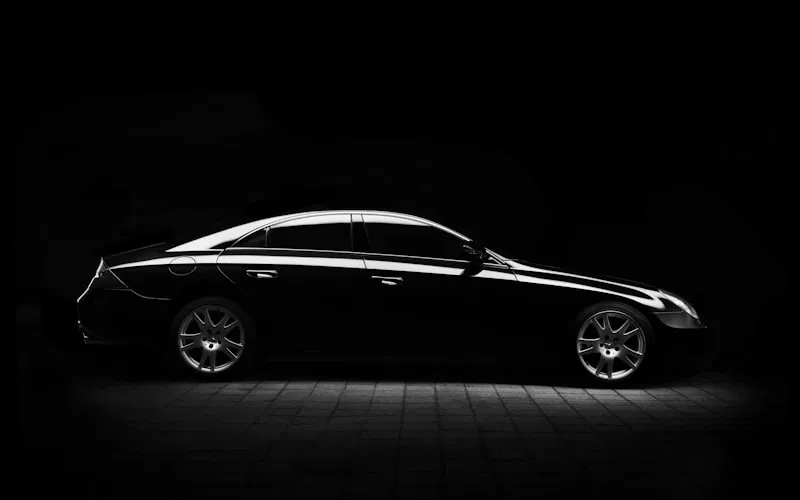
For vehicle owners navigating the aftermath of an accident in Redlands and throughout the Inland Empire, the collision repair process can feel like an overwhelming maze of insurance adjusters, supplement requests, and technical jargon. When you drive a modern vehicle equipped with advanced driver-assistance systems (ADAS), high-strength steels, aluminum body panels, or intricate multi-material architectures: such as a Subaru, Honda, Mazda, or Lincoln: the stakes are higher than ever. A fender-bender is no longer just a matter of popping out a dent and spraying fresh paint. Today’s automobiles are rolling supercomputers integrated with bonded structural cages and safety-critical calibration arrays.
When searching for an auto body shop in Redlands or seeking certified auto collision repair, understanding the profound difference between generic collision shops and factory-certified repair facilities is essential to protecting not only your vehicle’s structural integrity and resale value, but also your factory warranty and personal safety. At RVCCR, operating as a family-owned shop for 21 years with rigorous OEM credentials: including certifications for Subaru, Honda, Mazda, Lincoln, Ford, Rivian, and Tesla: we have witnessed firsthand what happens when uncertified repair facilities take shortcuts on complex vehicle architectures.
The High Cost of Uncertified Repairs: Protecting Your Factory Warranty
Many vehicle owners operate under the misconception that any licensed auto body shop can repair any make and model to factory standards. While state regulations permit you to choose your repair shop, insurance companies frequently steer policyholders toward Direct Repair Program (DRP) shops that prioritize speed and low cost over strict adherence to manufacturer specifications.
When a non-certified shop repairs a specialized vehicle, they often rely on aftermarket or recycled parts, generic welding equipment, and guesswork rather than official OEM repair procedures. For vehicles engineered with high-strength steels, aluminum space-frames, or proprietary safety cages, this approach introduces catastrophic risks:
- Compromised Crash Energy Management: Modern vehicles are designed with specific crush zones that direct kinetic energy away from the passenger cabin during an impact. If a structural rail is heated during straightening (which is strictly prohibited on ultra-high-strength steels) or welded with improper filler wire, its metallurgical properties change permanently. In a subsequent collision, the structure may fail to deform as engineered, directly threatening occupant safety.
- Factory Warranty Invalidation: While the Magnuson-Moss Warranty Act protects consumers from blanket warranty denials simply because an independent shop performed work, manufacturers explicitly state that if a failure is directly caused by improper repair procedures, non-OEM parts, or flawed welding, the warranty on those specific components and related systems is voided. For example, if an uncertified shop improperly replaces a windshield on a Subaru and moisture infiltrates the EyeSight camera housing, Subaru is under no obligation to cover subsequent camera malfunctions or electrical failures under factory warranty.
- ADAS Calibration Failures: Advanced safety systems rely on precise millimeter-wave radar alignment and camera positioning. An uncertified shop lacking OEM diagnostic software and calibration targets may deliver a vehicle with uncalibrated lane-keep assist or autonomous emergency braking systems that fail to engage when seconds matter.
To safeguard your investment, partnering with a certified collision center that invests in factory training, specialized tooling, and 100% OEM parts is non-negotiable.
Subaru Factory Certification: EyeSight ADAS Calibration and Symmetrical AWD Geometry

Subaru vehicles enjoy a fiercely loyal following in Southern California, prized for their legendary Symmetrical All-Wheel Drive (AWD) systems and advanced EyeSight Driver Assist technology. However, repairing a post-collision Subaru requires strict adherence to factory procedures that many general body shops are completely unequipped to handle.
The EyeSight Stereo Camera System
Subaru’s EyeSight system utilizes dual stereo cameras mounted near the rearview mirror to monitor traffic, recognize pedestrians, control adaptive cruise control, and execute pre-collision braking. According to Subaru’s official Service Diagnostic Manuals, EyeSight calibration is strictly required after any collision that can affect camera aim or vehicle geometry, as well as after windshield replacement, suspension component removal, front body or roof repairs, or bumper replacement.
Even a minor low-speed parking lot tap can displace the stereo camera axis by microscopic margins. If a shop replaces a damaged windshield or front bumper without performing both static target aiming (using Subaru-approved targets and the Subaru Select Monitor to achieve optical axis alignment within ±4 mm tolerance) and a mandatory dynamic road test (driving at specified speeds between 35–55 mph with clear lane markings), the EyeSight system may exhibit erratic behavior, false braking triggers, or complete deactivation.
Symmetrical AWD Frame and Suspension Geometry
Subaru’s Symmetrical AWD layout demands absolute precision in unibody and suspension alignment. If a collision impacts the front subframe, control arms, or strut towers, measuring equipment must verify that the vehicle’s centerline and suspension geometry return to exact factory specifications. A standard wheel alignment is insufficient if structural mounting points are skewed. At RVCCR, our Subaru-certified technicians utilize factory-grade measuring systems to ensure your AWD platform tracks true, preventing uneven tire wear, handling instability, and premature drivetrain stress.
Honda & Acura Factory Certification: ACE Body Structure and Aluminum Hybrid Front-End Repair
Honda and Acura vehicles are engineered around proprietary structural philosophies designed to maximize occupant protection while reducing vehicle mass. Navigating repairs on these platforms requires deep technical mastery of multi-material construction.
Advanced Compatibility Engineering (ACE™) Body Structure
The Advanced Compatibility Engineering body structure is Honda’s foundational front-end architecture. It employs a complex network of connected structural members designed to distribute frontal crash energy evenly around the passenger cabin. Modern Honda and Acura models incorporate an extensive mix of high-strength steel (HSS) and ultra-high-strength steel (UHSS), including 780, 980, and 1,500 MPa grades utilized in critical load paths and door ring reinforcements.
Honda enforces absolute boundaries regarding UHSS repairability:
- Zero Straightening on 1,500 MPa Steel: Technicians must never attempt to heat or mechanically straighten damaged 1,500 MPa components. The material loses its structural integrity and micro-structure when subjected to unauthorized heat.
- No Sectioning Where Prohibited: Damaged 1,500 MPa parts, such as specific pillar reinforcements and floor rails, must be completely replaced at factory seams rather than sectioned.
- Approved Attachment Methods: Where spot-weld access exists, Squeeze-Type Resistance Spot Welding (STRSW) is mandatory. In restricted access areas, Honda specifies exact MIG brazing protocols rather than standard GMAW welding. Substituting these methods compromises the crash energy management of the ACE structure.
Aluminum Hybrid Front Ends and Galvanic Corrosion Prevention
To improve fuel efficiency, modern Hondas and Acuras incorporate aluminum hoods, bumper beams, damper housings, and aluminum-hybrid doors (combining aluminum outer skins with steel inner structures). Mixing aluminum and steel introduces the severe risk of galvanic corrosion: an electrochemical reaction that causes rapid degradation when dissimilar metals touch without proper isolation.
Honda certification mandates dedicated aluminum repair spaces, specialized dust extraction systems to eliminate cross-contamination with steel filings, one-time-use fasteners, and specialized insulating clips at all steel-to-aluminum joints. Uncertified shops frequently reuse aluminum fasteners or fail to apply proper barrier coatings, setting the stage for hidden structural corrosion years down the road.
Mazda Factory Certification: SkyActiv Body Structure and Precision Spot Weld Patterns

Mazda’s SkyActiv vehicle architecture represents a masterclass in lightweight engineering and rigid body dynamics. Models like the Mazda3, CX-5, and CX-90 feature highly optimized chassis designs utilizing advanced high-strength steels and sophisticated joining techniques.
SkyActiv High-Strength Steel and Cold-Stamped Innovation
Mazda’s SkyActiv-Body architecture dramatically increased the proportion of 980 MPa and higher steels, pioneering the use of 1310 MPa cold-stamped steel in key structural reinforcements. These ultra-high-strength materials provide exceptional crash protection while keeping vehicle weight remarkably low. However, their high carbon and alloy content makes them exceptionally sensitive to heat input and welding parameters.
Precision Spot Welds and Weld Bonding
When repairing a SkyActiv structure: such as a roof rail, pillar, or rocker panel: repair technicians cannot simply substitute factory spot welds with arbitrary MIG plug welds. Mazda’s Body Repair Manuals (BRMs) dictate precise weld-bonding sequences (combining structural adhesives with spot welds) and exact spot weld counts and spacing.
- 10,000-Amp STRSW Requirement: Certified repair requires an industrial Squeeze-Type Resistance Spot Welder capable of delivering at least 10,000 amps of current and 600 ft-lbs of electrode force to replicate factory nugget penetration.
- Destructive Test Coupons: Technicians must perform test welds on matching metal thickness coupons, validating nugget size and tear-out integrity using Vernier calipers and shunting clamps before touching the vehicle.
- Corrosion Protection Restoration: Mazda specifies the application of OEM-approved rust inhibitors, cavity wax behind welded panels, and precise seam-sealer placement to restore factory anti-corrosion warranties.
Lincoln Certified Collision Network (LCCN): Aluminum Body Panels and Specialized Refinishing
Lincoln vehicles: exemplified by luxury flagships like the Lincoln Navigator: incorporate advanced aluminum-intensive body construction designed to reduce weight, enhance performance, and deliver a vault-like, quiet ride. Restoring an aluminum-bodied Lincoln requires strict participation in the Lincoln Certified Collision Network (LCCN) (administered through the Ford Certified Collision Network).
Dedicated Aluminum Workspaces and Contamination Control
Aluminum dust is highly combustible and acts as a corrosive contaminant when introduced to steel body panels. LCCN certification requires collision centers to maintain:
- Dedicated Aluminum Clean Rooms: Physical isolation (such as sealed curtain systems or dedicated rooms encompassing at least 450 sq. ft.) separating aluminum repair stalls from steel repair areas.
- Immersion-Type Wet Mix Dust Extraction: Dedicated pneumatic vacuum systems designed to safely capture aluminum dust particles at the source.
- Isolated Hand Tools: Dedicated aluminum hammers, dollies, files, and pullers that never touch steel vehicles, preventing microscopic iron particle embedding that causes pitting and bubbling in aluminum panels.
Advanced Joining and Refinishing Standards
Repairing aluminum structural components requires specialized equipment, including:
- Self-Piercing Rivet (SPR) Guns: Approved hydraulic rivet guns (such as Car-O-Liner, Pro Spot PR-5, or Spanesi equivalents) used to join multi-layer aluminum panels without pre-drilling.
- 220V Pulse MIG Welders: Calibrated specifically for aluminum wire feed and shielding gas management.
- OEM-Approved Refinish Systems: Paint systems (such as PPG formulations approved for Ford/Lincoln aluminum programs) applied under climate-controlled conditions to ensure proper adhesion on aluminum substrates.
For comprehensive details on how we integrate structural body work with mechanical and electrical inspections, explore our professional RVCCR Collision Repair Services.
Redlands Vehicle Owners' Checklist: What Demands to Make on Your Next Collision Repair Estimate
When your vehicle is towed or driven into an auto body shop in Redlands following an accident, you hold the right to demand transparency, quality, and uncompromised safety. Before authorizing repairs, ensure your shop provides clear answers to the following checklist items:
- Pre- and Post-Repair Diagnostic Scan Reports: Demand proof of complete electronic scans before repairs begin (to identify hidden Diagnostic Trouble Codes) and after repairs conclude (to verify that every safety sensor, ADAS module, and airbag circuit is fully functional).
- OEM Parts Guarantee: Insist that your repair estimate specifies 100% Original Equipment Manufacturer (OEM) parts for structural, safety, and ADAS-related components. Avoid aftermarket imitation parts that may alter crash deformation zones or fail to interface correctly with sensors.
- Written Lifetime Warranty: Ensure the shop backs all craftsmanship, structural repairs, and paint work with a comprehensive written lifetime warranty. At RVCCR, every repair is backed by our lifetime guarantee, giving you complete peace of mind on the road.
- Certified Technician Credentials: Verify that the technicians working on your vehicle hold current I-CAR Gold Class status and specific brand certifications for your vehicle's make.
For guidance on navigating insurance claims, deciphering line-item estimates, or scheduling your vehicle assessment, review our guide on How to Read a Collision Repair Estimate. If you drive an electric vehicle or hybrid, ensure your shop also conducts specialized safety checks as outlined in our advisory on EV Battery Safety Inspections After a Collision. You can also request a Free Estimate online at any time.
Experience Certified Excellence in Redlands

Choosing where to repair your Subaru, Honda, Mazda, or Lincoln after a collision is one of the most important decisions you will make for your vehicle’s longevity and your family’s safety. Shortcuts, unverified parts, and uncalibrated sensors leave invisible vulnerabilities that no insurance policy or resale value can recover.
For 21 years, our family-owned shop has served Redlands and the Inland Empire by combining certified collision repair, advanced paint matching, and complete mechanical services under one roof. We don't just restore sheet metal to factory specifications; we restore your confidence for every journey ahead. Contact RVCCR today to schedule your complimentary inspection, experience uncompromising certified craftsmanship, and get back on the road safely!
Need a repair estimate?
Skip the wait — send us a few photos and our team will get back to you fast.
Start a Photo Estimate →