Tesla Body Shop in the Inland Empire: 6 Red Flags to Watch for Beyond the Certification Decal
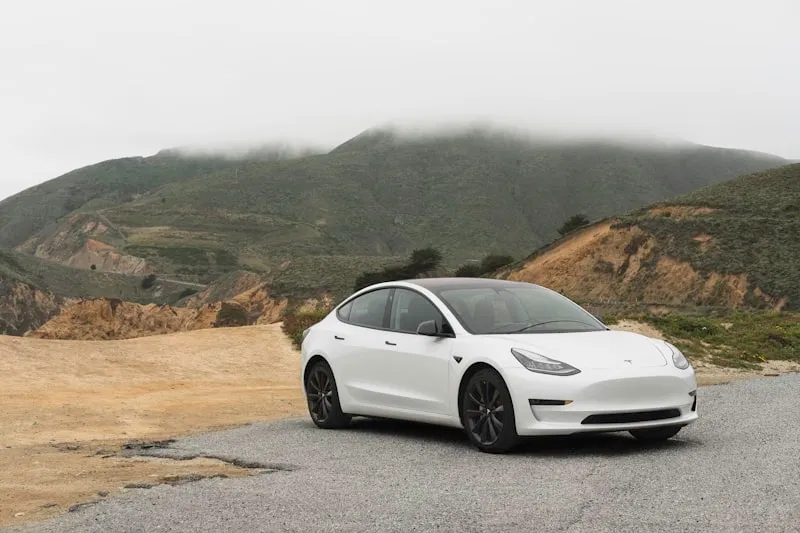
As a Tesla owner in the Inland Empire, you’ve likely realized that your vehicle isn't just a car; it is a sophisticated, high-performance computer on wheels wrapped in a complex lattice of aluminum and high-strength alloys. When a collision happens, whether it’s a minor fender bender on the I-10, debris damage on the 210, or a structural impact in Redlands, the standard rules of auto body repair simply do not apply. Choosing the right tesla body shop inland empire requires a level of scrutiny far beyond checking for a logo on a window.
The Inland Empire adds its own set of complications that Tesla owners in denser metro areas do not always face. Long freeway commutes, high-speed merging, construction zones, truck traffic, and intense summer heat all affect how collision damage shows up and how repairs need to be managed. A bumper scrape in stop-and-go traffic may still involve sensor mounting points. A seemingly minor wheel impact from a pothole or road debris can trigger alignment, suspension, and ADAS concerns. And when temperatures climb deep into triple digits across Redlands, San Bernardino, Riverside, and the surrounding communities, heat becomes more than a comfort issue. It affects adhesives, refinish scheduling, material handling, and how aluminum panels and bonded structures must be processed during repair.
That regional heat matters more than many owners realize. Tesla vehicles rely heavily on aluminum and mixed-material construction, and those materials demand strict contamination control, precise repair temperatures, and disciplined refinishing procedures. If a shop cuts corners on prep, primer, cure times, or isolation between steel and aluminum work, the consequences may not appear the day you pick up the car. They often show up later as corrosion, paint mismatch, panel distortion, or sensor-related problems that could have been avoided with OEM-correct procedures from the start.
Distance is another Inland Empire reality. Depending on where you live, you may not have a long list of truly qualified Tesla collision options close by. Many owners discover that the nearest shop willing to take the car is not necessarily the nearest shop equipped to repair it correctly. That gap between “we work on EVs” and “we are currently Tesla certified and structurally capable” is where confusion starts. It is also where vehicles get delayed, sublet, or repaired with processes that make insurance paperwork easier but leave the owner carrying the long-term risk.
At RVCCR, we have spent 21 years building a reputation for excellence in Redlands and the surrounding IE. As a tesla certified collision center, we’ve seen the industry evolve from simple steel frame straightening to the high-tech reality of giga-castings, mixed-material structures, and Tesla Vision calibration. We understand that while a shop might have the right sign out front, the actual work happening behind the bay doors determines whether your Tesla remains a five-star safety-rated vehicle or becomes a structural liability.
The complexity of modern EV repair, specifically concerning the Model 3’s aluminum-intensive architecture and the Model Y’s revolutionary mega-castings, creates a massive knowledge gap in the traditional collision industry. This gap is where mistakes happen, and for a Tesla owner, those mistakes can be incredibly costly. Managing the restoration of a vehicle with such high technical requirements involves a symphony of specialized tooling, software-driven diagnostics, temperature-aware material handling, and unique logistics. In the Inland Empire, where road conditions, travel distances, and climate all compound the challenge, knowing what red flags to watch for can save you time, money, and a serious safety headache…
1. The "Certified" Sublet Shuffle
One of the most concerning red flags in the Inland Empire is the shop that advertises Tesla repair but lacks the in-house capability to perform structural work. Many shops in the region are "Tesla-Friendly" or claim to be an ev repair shop near me, but they do not hold the actual Tesla Approved Collision Center (TACC) certification.
Why does this matter? If a shop is not certified, they are blocked by Tesla from ordering restricted structural parts, such as the rear frame rails or the giga-castings used in newer models. To get around this, some shops will accept your vehicle, then "sublet" the structural portions of the repair to a certified shop, often without explicitly telling you.
This creates a fragmented repair process. The first shop might handle the body panels and paint, while the structural integrity is handled elsewhere. This "shuffle" leads to:
- Warranty Confusion: If a weld fails or a panel doesn't align three years from now, which shop is responsible?
- Chain of Custody Issues: Your vehicle is being driven or towed between facilities, increasing the risk of secondary damage.
- Diagnostic Gaps: If the ADAS (Advanced Driver Assistance Systems) isn't calibrated by the same team that performed the structural pull, software errors may be missed.
At RVCCR, we handle your certified auto collision repair from start to finish under one roof. Our status as a Tesla certified collision center means we have the direct line to Tesla’s parts catalog and technical support, ensuring that your vehicle never leaves our secure facility until it is ready for the road.
2. Giga-casting Gaps: Why "Just Welding It" is a Safety Risk
The introduction of the giga-casting (or mega-casting) in the Model Y and Cybertruck has completely changed the landscape of collision repair. These massive, single-piece aluminum castings replace dozens of individual parts, reducing weight and increasing structural rigidity. However, they are notoriously difficult to repair if the technician doesn't follow Tesla’s specific Structural Repair Manual (SRM).
A major red flag is a shop that treats a cracked or bent giga-casting like a traditional steel frame. Tesla has established very strict, color-coded zones on these castings that dictate what can be repaired and what must be replaced.
- The 15 km/h vs. 25 km/h Threshold: Research from organizations like Thatcham and Allianz has shown that while low-speed impacts (
9 mph) are often absorbed by replaceable "crash cans," medium-speed impacts (15 mph) often result in casting cracks that Tesla mandates as a full replacement. - The Welding Prohibition: In many "No Repair" zones of the casting, welding is strictly prohibited because it alters the heat-treat properties of the aluminum, making it brittle. A shop that offers to "just weld that crack" is compromising the crumple zone of your vehicle.
- Adhesive Bonding: Modern Tesla repair relies heavily on structural adhesives with tensile strengths exceeding 3,000 psi. If a shop isn't talking to you about "sectioning and bonding" along molded guide lines, they aren't following the OEM playbook.

3. Aluminum Competence vs. Steel Instincts
Tesla’s use of aluminum is not just limited to castings; the Model S and Model X are primarily aluminum-bodied, and the Model 3 uses a sophisticated mix of high-strength steel and aluminum panels. Repairing aluminum requires an entirely different set of tools and environments than steel.
A massive red flag is a shop that performs aluminum repairs in the same open bay where they grind steel.
- Galvanic Corrosion: When steel dust (carbon) lands on bare aluminum, it creates a chemical reaction that causes the aluminum to corrode from the inside out. This can lead to paint bubbling and structural degradation months after the repair is "finished."
- Tool Cross-Contamination: A certified auto collision repair facility must have a dedicated "clean room" or isolated aluminum station with its own set of dedicated hammers, dollies, and vacuums that never touch steel.
- The "No Pulling" Rule: Unlike steel, which has "memory" and can be pulled back into shape using a frame machine, structural aluminum often cannot be straightened without losing its integrity. If a shop mentions "pulling your aluminum rails," they are likely violating Tesla's safety standards.
4. ADAS and the Phantom "No Calibration Needed"
Every Tesla is equipped with Tesla Vision, a suite of cameras and sensors that power Autopilot, Full Self-Driving (FSD), and critical safety features like Automatic Emergency Braking. Any collision repair that involves removing a bumper, replacing a windshield, or shifting a structural component requires a post-repair calibration.
If a shop tells you, "The car isn't showing any error codes, so it doesn't need calibration," that is a dangerous red flag.
- The "Blind" Autopilot: A camera that is off by just a fraction of a degree can cause the vehicle to miscalculate distances at highway speeds.
- Static vs. Dynamic Calibration: Tesla’s calibration process usually involves a specific "Service Mode" routine followed by a calibration drive. This requires specialized software and a technician who understands how to validate the data.
- Documented Proof: A reputable tesla body shop inland empire will provide you with a digital printout or confirmation from the Tesla service software showing that all ADAS systems have been successfully recalibrated and passed safety checks.

5. The "Parts are Backordered" Blanket Statement
It is a common trope that Tesla parts take months to arrive. While some supply chain issues are real, many non-certified shops use "parts backorders" as a convenient excuse for their own internal delays or their inability to access restricted structural components.
As a certified shop, RVCCR has priority access to the Tesla parts network. We can often see real-time inventory levels across Tesla’s regional distribution centers.
- Restricted Parts: Only a TACC can order things like the "Body-in-White" components or the giga-castings. If a non-certified shop takes your car, they are at the mercy of a middleman, which drastically extends your repair timeline.
- Used Parts Warning: Tesla explicitly forbids the use of "recycled" or "used" structural components. If a shop suggests using a "donor" frame section from a salvaged Tesla to save time, walk away. These parts are often compromised in ways that are invisible to the naked eye.
- Real-Time Logistics: A quality shop will give you a specific tracking number or a documented update from the Tesla EPC (Electronic Parts Catalog) rather than a vague "we're waiting on Tesla" statement.
5A. The Hidden Cost of Paint and Refinish on Tesla Aluminum
A lot of Tesla owners focus on structural damage, parts delays, and calibration, but paint and refinish work can be one of the most technically sensitive parts of the entire job. This is especially true on aluminum panels and on Tesla colors that use layered finishes to create depth, brightness, and angle-dependent color shift. Colors such as Midnight Cherry Red and Quicksilver are not basic single-stage repairs. They require disciplined prep, controlled spray procedures, proper film-build management, and careful blending so the repaired area does not stand out in direct sun, shade, or under LED lighting.
In the Inland Empire, this issue is even more obvious because our light is unforgiving. Bright midday sun in Redlands or Riverside will expose a weak color match fast. A panel may look acceptable indoors and then look noticeably darker, flatter, or more metallic outdoors. That is why Tesla refinish work is not just about “getting it close.” It is about matching the finish system correctly and protecting the substrate underneath it.
One of the most overlooked problems at non-certified or inexperienced shops is what happens underneath the basecoat and clearcoat. Aluminum repair demands clean surface prep and the correct primer and sealer process before color is applied. When a shop rushes through prep or skips a required primer sealer step, it may create conditions where moisture and contamination can compromise the repair over time. On mixed-material vehicles, that matters even more because galvanic corrosion risk increases when aluminum is not isolated and protected correctly. What looks like a beautiful paint job on delivery can turn into bubbling, edge corrosion, or adhesion failure later.
A reputable tesla body shop inland empire should be able to explain its paint-matching protocol in plain English. That includes how the color is verified, whether adjacent panels need blending, how the aluminum substrate is prepared, and what steps are used to prevent contamination before refinishing. If the answer is vague, or if the shop talks about Tesla paint like it is no different than any other late-model silver or red, that is a serious warning sign. On a Tesla, refinish quality is not cosmetic trivia. It is part of preserving the vehicle’s long-term appearance, corrosion resistance, and resale confidence.
6. Warranty and Insurance Friction
Finally, look at how the shop handles the financial side of the repair. Tesla repairs are notoriously expensive due to the cost of aluminum-specific labor and OEM-only parts. This often leads to "friction" with insurance companies who may want to use cheaper, aftermarket parts or lower labor rates.
- CA Code 2695.8 Rights: In California, you have the right to choose your repair facility. Some insurance companies may try to "steer" you to their preferred network (DRP) shops. However, if those shops aren't Tesla certified, they cannot safely repair your car.
- The Supplement Process: A shop that refuses to fight for the necessary "supplements" (additional repair costs discovered after teardown) is a red flag. They might "cut corners" to stay within the insurance company's initial low-ball estimate.
- Lifetime Warranty: A legitimate tesla certified collision center will back their work with a written lifetime warranty. At RVCCR, our work is backed for as long as you own the vehicle, and because we are part of the Fix Auto Network, that warranty is honored at over 200 locations nationwide.
6A. The Certification Expiration Problem
A Tesla certification decal on the wall can create a strong first impression, but it should not end your research. One of the lesser-known issues in EV collision repair is that certification is not a one-time event that lasts forever. Tesla certification requires ongoing compliance, and shops must continue meeting program requirements through periodic review and re-audit. Equipment standards, training expectations, repair procedures, and facility requirements do not stand still. A shop that was properly certified at one point still has to maintain that status.
That matters because a shop can lose certification, fail to renew it, or fall behind on required standards while still displaying old branding, old badges, or old marketing language. Most customers are not going to walk into a lobby and ask for documentation, and many assume that a decal, plaque, or website mention means the shop is fully current. In reality, the better question is whether the certification is active right now and whether the team performing the work still has current access to Tesla’s repair ecosystem, parts restrictions, and approved procedures.
For Tesla owners, this is more than a technicality. If a shop’s certification status changes, it can affect parts access, repair planning, and the confidence that the work is being performed inside Tesla’s required process. It can also create confusion when an owner, insurer, or third-party adjuster believes the car is at a fully authorized location when the shop’s status is no longer current. That confusion tends to surface late, often after teardown, supplement requests, or parts ordering problems have already delayed the repair.
A smart move is to ask direct, simple questions before authorizing the job: Are you currently Tesla certified today? Is the repair being done fully in-house? Will you provide documentation of the repair and calibration process? A legitimate shop should not be offended by that. In fact, a professional team expects those questions from informed Tesla owners. Certification should be current, verifiable, and reflected in the actual repair workflow, not just in old decals on the wall.
Your Path Back to the Road
Navigating the aftermath of a Tesla collision in the Inland Empire can feel like a full-time job. You are balancing insurance adjusters, rental car logistics, and the technical anxiety of ensuring your high-tech vehicle is actually safe for your family. The certification decal on the wall is a starting point, but the true mark of a quality shop is their transparency regarding the technical nuances we've discussed today.
At RVCCR, we don’t just fix cars; we restore your peace of mind and your vehicle’s factory-certified safety. Whether you are in Redlands, Loma Linda, or anywhere in the IE, our team is ready to handle the heavy lifting of your Tesla restoration. We coordinate with all major insurance carriers, provide free estimates, and treat every Model S, 3, X, and Y with the specialized care it deserves.
Stop by our facility in Redlands today or visit our online estimate tool to start the process. Let’s get your Tesla back to showroom condition so you can get back to the adventure…
Real-World Timeline Example: From Drop-Off to Delivery at a Certified Tesla Shop
One of the biggest sources of stress for Tesla owners is not knowing what actually happens after the car is dropped off. A certified repair process is not just “tear it down, order parts, and paint it.” There are multiple checkpoints, and each one matters. Here is what a real-world timeline can look like at a tesla certified collision center when the repair involves body, structural, refinish, and calibration work.
Day 1: Check-in and intake documentation. The vehicle arrives, photos are taken, visible damage is documented, and the repair file is opened. The team confirms the customer concern, insurance information, drivability status, and any alerts already showing in the vehicle. If towing was involved, this is also the time to verify that no secondary damage occurred during transport.
Days 1 to 3: Blueprinting and teardown. This is where the true repair plan starts. Exterior panels come off, hidden damage is identified, structural measurements are reviewed, and the estimator and repair team create a more complete blueprint. For Teslas, this stage often determines whether the damage is cosmetic, structural, calibration-related, or a combination of all three. Supplements are common here because collision damage is often deeper than it first appears.
Days 3 to 7: Insurance approval and parts ordering. Once the blueprint is complete, the shop works with the insurance carrier on approvals and supplement items. OEM Tesla parts are ordered based on the confirmed repair plan. If restricted structural parts are needed, current certification matters here because non-certified shops cannot simply work around those ordering controls.
Week 2: Structural and body repair. Once parts arrive and the repair plan is locked, the technicians begin structural correction, panel replacement, sectioning, bonding, or aluminum repair following Tesla procedures. This is also the phase where contamination control and documentation are critical.
Week 2 to 3: Refinish and reassembly. The repaired area moves through prep, primer, sealer, color, clear, cure, and quality checks before reassembly begins. Cameras, trim, lamps, and adjacent components are reinstalled carefully to protect fit, finish, and sensor alignment.
Final days: Calibration, road test, and delivery. After the vehicle is fully assembled, the team performs required calibrations, verifies system performance, completes final inspections, and prepares the car for customer delivery. The handoff should include a clear explanation of the work completed, what was replaced, and confirmation that the vehicle is ready to return to your normal routine.
Every repair is different, and a major hit can take longer than this example. But a professional shop should be able to explain where your Tesla is in the process instead of leaving you with a vague “we’re still waiting” answer. Clarity is part of the service, especially when your vehicle is one of the most advanced machines your family depends on every day.
Frequently Asked Questions
1. Can any body shop repair a Tesla in the Inland Empire?
Technically, any shop can attempt a cosmetic repair (like a bumper scrape), but Tesla restricts the sale of structural parts to Tesla Approved Collision Centers only. If your car has frame, aluminum, or giga-casting damage, only a certified shop can legally and safely perform the repair.
2. Does RVCCR use genuine Tesla parts?
Yes. As a TACC, we use 100% Genuine Tesla OEM parts. We do not use aftermarket or salvaged structural components, as they do not meet Tesla's safety standards.
3. How long does a Tesla collision repair usually take?
Minor repairs (fender benders) typically take 1 to 2 weeks. Major structural repairs can take 3 to 6 weeks depending on parts availability and the complexity of the giga-casting sectioning required.
4. Will my Tesla warranty be voided if I use a non-certified shop?
If a non-certified shop performs structural work incorrectly or uses non-Tesla parts, it can jeopardize your vehicle's warranty and potentially its ability to receive Supercharging or over-the-air (OTA) updates.
5. Is RVCCR family-owned?
Yes, we have been family-owned and operated in Redlands for 21 years. We pride ourselves on providing the personalized service of a local shop with the technical certifications of a national leader.
6. What happens if my Tesla is declared a total loss?
If the cost to repair your Tesla meets or exceeds the threshold your insurer uses for a total loss decision, the insurance company may move the claim out of the repair process and into total loss handling. At that point, the car is typically not repaired through the collision workflow. Instead, the insurer evaluates actual cash value, lien payoff if applicable, deductible impact, and settlement terms. For the owner, the key is to ask for a clear written explanation of the valuation and to understand that a teardown at a certified shop can still be useful because it documents the true scope of damage accurately before that decision is made.
7. Do Teslas require specific towing procedures after a collision?
Yes, towing matters. After a collision, a Tesla may need specific handling depending on model, wheel condition, suspension damage, and whether the vehicle can roll safely. Improper recovery or dragging can create additional damage beyond the original accident. That is why owners should tell the tow provider the vehicle is a Tesla and make sure the receiving shop is familiar with EV intake procedures. If there is any uncertainty about drivability, wheel damage, or underbody impact, the safest choice is controlled transport directly to a qualified repair facility.
8. Can I track my Tesla's repair progress remotely?
In many cases, yes, at least in part. While repair tracking varies by shop and insurer, a professional collision center should be able to give you structured updates during blueprinting, parts ordering, repair, paint, reassembly, and final calibration. Some updates may come by text, email, phone, or customer portal. The most important thing is not the format; it is whether the update is specific. “Waiting on parts” is less helpful than knowing which part is pending, whether insurance has approved the supplement, and what stage must be completed before the next milestone can begin.
9. Why do Tesla repairs sometimes slow down after teardown?
Because teardown is where hidden damage is discovered. A vehicle that looks like a bumper and quarter panel repair on day one may also need brackets, sensors, absorbers, inner structure work, or additional calibration steps once the damaged components come off. That is normal in collision repair, especially on Teslas with tightly integrated sensors and mixed-material construction. A quality shop will explain those supplement items and update the timeline rather than letting the job quietly stall.
10. How can I verify a shop is the right fit before authorizing repairs?
Ask direct questions: Are you currently Tesla certified? Will the repair stay in-house? Do you have aluminum repair capability and calibration procedures on site? Will you use genuine Tesla OEM parts where required? Will you document supplements and repair milestones for me? A trustworthy shop should answer clearly, not defensively. The goal is not just to repair the visible damage. It is to return your Tesla to safe, reliable, factory-minded condition so you can drive forward with confidence.

Need a repair estimate?
Skip the wait — send us a few photos and our team will get back to you fast.
Start a Photo Estimate →