Tesla Collision Repair Costs in the Inland Empire: What Certified Repair Actually Costs vs. the Shortcut
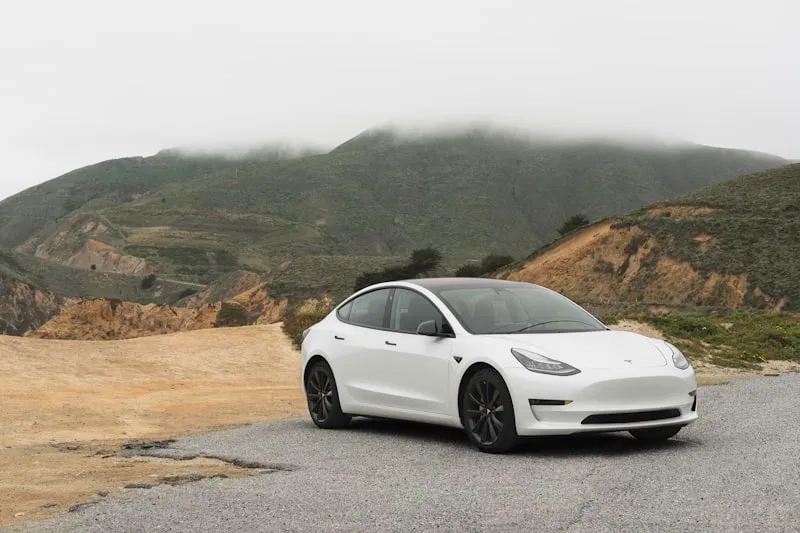
Maintaining the structural integrity and advanced safety systems of a Tesla requires more than just a standard body shop approach; it requires a manufacturer-certified ecosystem that includes specialized equipment, Tesla-specific training, and a deep understanding of EV architecture. As a Tesla and Rivian certified collision center that has served the Inland Empire for over 21 years, RVCCR operates at the intersection of high-tech EV restoration and traditional collision craftsmanship. Our facility is not only RVDA certified for motorhomes but also carries factory certifications from Ford, Honda, Mazda, and Subaru, ensuring that every repair: whether on a Model 3 or a Class A diesel pusher: meets rigorous OEM standards.
The logistics of an Inland Empire Tesla repair are inherently complex, involving high-voltage safety protocols, aluminum-specific welding techniques, and the recalibration of sophisticated Autopilot sensors. For owners in Redlands, San Bernardino, and Riverside, the discrepancy between a "neighborhood shop" quote and a certified center estimate can be jarring, often reflecting the difference between a cosmetic patch-up and a factory-standard structural restoration. Understanding why these numbers vary so significantly is the first step in protecting both your vehicle's resale value and your family’s safety on the road…
The Anatomy of Inland Empire Tesla Labor Rates
In 2026, the Inland Empire has seen a distinct stratification in automotive labor pricing. For a standard internal combustion engine (ICE) vehicle, many non-certified shops in the San Bernardino area charge between $60 and $110 per hour for body and paint labor. However, when you step into the world of Tesla-certified repairs, the requirements for the shop change drastically, and the labor rates reflect that investment.
Tesla-certified collision centers in the Inland Empire typically command labor rates between $130 and $180 per hour. This premium isn't arbitrary; it covers the cost of Tesla’s mandatory annual training, the specialized aluminum clean-rooms required to prevent cross-contamination with steel dust, and the high-end diagnostic tools like the Tesla Toolbox 3 software. When a shop is "Certified," they are paying for the right to access Tesla’s proprietary repair manuals and parts catalog: access that is frequently restricted for non-certified facilities.
Furthermore, EV-specific labor often involves "Mechanical" or "Diagnostic" rates which can climb toward $200 per hour. These rates are applied when a technician must power down the high-voltage battery system, a safety-critical step that requires specialized PPE and insulated tools. If a non-certified shop omits this step to save on labor costs, they aren't just saving money; they are risking a thermal event or permanent damage to the vehicle’s electrical architecture.
Real-World Cost Ranges for Common Tesla Repairs
While every collision is unique, Inland Empire owners can expect the following price brackets when visiting a certified facility. These figures represent "all-in" costs, including OEM parts, certified labor, and necessary calibrations.
- Bumper Replacement ($1,500 – $3,000): This often includes the plastic fascia, internal impact absorbers, and the critical labor to remove and reinstall ultrasonic sensors or radar units.
- Door Replacement ($2,500 – $5,000): Tesla doors are complex assemblies involving glass, window regulators, and exterior cameras. Proper alignment is crucial for the vehicle’s "falcon wing" or traditional hinges to operate without wind noise.
- Quarter Panel Replacement ($3,000 – $6,000): Unlike steel panels that can sometimes be "pulled," Tesla’s aluminum or high-strength steel panels often require full replacement to maintain structural safety.
- Windshield Replacement ($1,000 – $2,000): The cost here isn't just the glass; it’s the labor to recalibrate the forward-facing cameras that drive your Autopilot and Safety Sense features.
- Structural Repair ($5,000 – $15,000+): When the "frame" or the new Giga-castings are involved, costs escalate quickly due to the precision required in structural pulling and specialized bonding/riveting.
The $5,000 Shortcut vs. The $12,000 Standard
One of the most frequent conversations we have with Inland Empire Tesla owners involves a massive gap in estimates. A customer might receive a $5,000 quote from a general body shop and a $12,000 quote from a Tesla-certified center like RVCCR for the same visible damage. To the untrained eye, it looks like "certified markup," but the reality lies in the hidden operations.
A non-certified shop might propose "repairing" an aluminum panel using traditional fillers. While this looks good on the surface, aluminum does not have the same "memory" as steel; once it is deformed, its molecular structure is weakened. Tesla’s repair manual explicitly mandates replacement for certain types of aluminum damage to ensure the car’s "crumple zones" perform correctly in a second accident.
Additionally, a "shortcut" repair often skips the ADAS (Advanced Driver Assistance Systems) calibration. If your cameras or radar are off by even a fraction of a millimeter, your emergency braking or lane-keep assist may fail to activate or, worse, activate at the wrong time. A certified shop includes the $300 – $800 ADAS calibration fee as a non-negotiable safety item, whereas a discount shop might simply clear the dashboard error codes and return the car to you.

Understanding the Giga-Casting Factor
Recent Tesla models, specifically the Model Y and the refreshed Model 3, utilize large "Giga-castings": massive single pieces of cast aluminum that replace dozens of smaller stamped parts. While this makes the car lighter and more efficient, it changes the collision landscape. If a Giga-casting is cracked or significantly deformed, it cannot be "straightened" like a traditional frame rail.
The cost of replacing or specialized sectional-repair of a Giga-casting is a major driver in modern Tesla repair bills. This process requires specialized jigs and fixtures that most Inland Empire shops simply do not own. Choosing a shop that understands tesla certified collision repair and what EV structural safety actually requires is the only way to ensure these massive structural components are handled according to factory specs.
The Price of Parts: OEM vs. The Unknown
At RVCCR, we advocate for the use of Original Equipment Manufacturer (OEM) parts for every Tesla repair. Tesla’s supply chain is unique; they do not have a robust aftermarket for structural or electronic components. When a shop tells you they can "find a cheaper part," they are often referring to used parts from salvage yards or unverified third-party components that may not have the same metallurgical properties as the original.
Using OEM parts versus aftermarket alternatives is especially critical for EVs because the parts often serve dual purposes. A rocker panel on a Tesla isn't just a cosmetic trim piece; it is part of the protective "cage" for the high-voltage battery pack. A generic part may not offer the same level of side-impact protection, potentially leading to a battery fire in a subsequent collision.
Diagnostic and Calibration Fees: The Invisible Line Items
A significant portion of a $12,000 Tesla bill consists of "soft" costs: diagnostics and calibrations. A modern Tesla is a rolling computer. Every time a bumper is removed, the sensors must be "zeroed out."
- Pre-Repair Scan: Identifies hidden faults in the pyrotechnic battery disconnects or sensor offsets that aren't visible to the eye.
- Post-Repair Scan: Confirms that all systems are communicating correctly and that no new faults were introduced during the assembly.
- Dynamic Calibration: Involves driving the vehicle under specific conditions so the cameras can "learn" their position.
- Static Calibration: Uses specialized targets in a controlled shop environment to align radar and LiDAR units.
These steps can add $1,000 to $2,000 to a bill, but they are the only way to guarantee the vehicle's "Active Safety" features are functional. Without them, you are driving a car that is "blind" to its surroundings.

Will Insurance Cover the Certified Cost?
A common concern for Inland Empire drivers is whether their insurance provider will balk at the higher rates of a certified shop. In our experience, most major insurance carriers recognize that Tesla-certified repairs are a necessity rather than a luxury. Because Tesla restricts certain parts and repair data to certified shops, an insurance company cannot legally or ethically force you to use a shop that lacks the tools to perform a safe repair.
At RVCCR, we coordinate directly with all major insurance carriers. We provide the documentation: including Tesla’s own repair procedures: to justify the labor hours and part costs. Our goal is to ensure you aren't stuck with an "out-of-pocket" bill for doing the right thing for your vehicle’s safety. Many of our repairs are backed by the Fix Auto Network lifetime warranty, which provides additional peace of mind that the work is guaranteed for as long as you own the car.
The Importance of a Local, Family-Owned Certified Shop
In the Inland Empire, you have choices between massive corporate "DRP" (Direct Repair Program) shops and local specialists. While corporate shops focus on "cycle time" (getting cars out as fast as possible), a family-owned certified shop like RVCCR focuses on the "integrity of the build." We live in this community, and we know that our reputation is built on the safety of the vehicles we put back on the 10 and 210 freeways.
Our facility combines collision, paint, and complete mechanical work under one roof. This is a rare advantage for Tesla owners, as most body shops have to sublet the mechanical or battery work to a dealership, adding weeks to your repair timeline. By handling the structural, electronic, and finish work in-house at our Redlands location, we maintain total control over the quality and the cost.

Restoring Your Next Adventure
Collision repair is never just about the metal and the paint; it is about restoring the confidence you feel when you get behind the wheel. Whether you are commuting through the Cajon Pass or heading out for a weekend at Big Bear, you deserve to know that your Tesla’s safety systems are exactly as the engineers intended.
Don't settle for a shortcut that compromises your vehicle’s structural integrity or its sophisticated technology. Contact RVCCR today for a free, transparent estimate from our Tesla-certified team. Let us handle the insurance logistics and the technical complexities while you focus on getting back to the lifestyle you love.
Schedule your certified Tesla estimate today. Bring your vehicle to RVCCR in Redlands and experience the difference that 21 years of certified expertise makes for your safety and your peace of mind.
Need a repair estimate?
Skip the wait — send us a few photos and our team will get back to you fast.
Start a Photo Estimate →