Fix Auto Network Lifetime Warranty: What It Covers and How It Travels With You
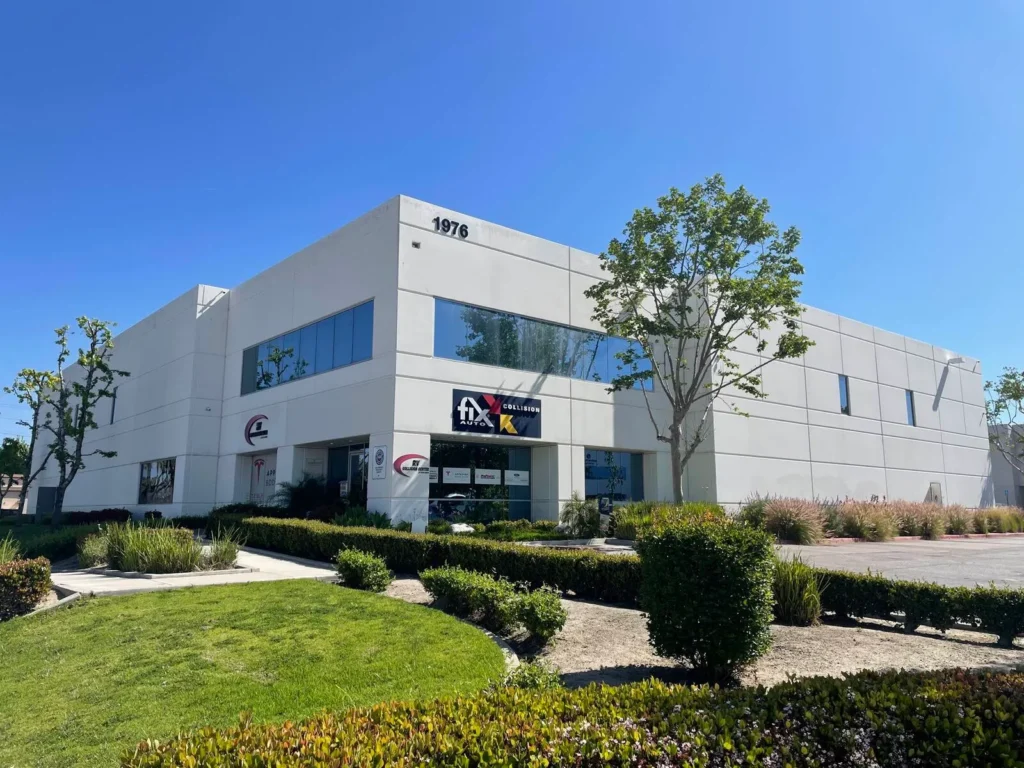
RVCCR is a premier Fix Auto Network facility and a factory-certified collision center for Tesla, Rivian, Ford, Honda, Mazda, and Subaru, backed by 21 years of family-owned experience in the Inland Empire. The complexity of modern automotive engineering: which integrates high-strength alloys, intricate sensor suites, and multi-stage refinishing processes: demands a warranty program that is as robust as the factory standards it aims to restore. When you seek auto body shop redlands services after a collision, the focus is often on the immediate restoration of the vehicle’s appearance, yet the long-term integrity of those repairs is what ultimately dictates your safety and financial security.
The Fix Auto Network Lifetime Warranty is designed to provide comprehensive protection that extends far beyond the initial delivery of your vehicle. Because RVCCR operates within a national network of over 200 independently owned and operated locations, the assurance of quality is not confined to the city limits of Redlands. If you find yourself hundreds of miles from home and notice a concern regarding the workmanship of a previous repair, the infrastructure of the Fix Auto Network is engineered to support you without the need for a return trip to the original facility. Navigating the specifics of coverage, from structural bonding to paint chemistry, ensures that you can move forward with confidence in your vehicle’s performance and its future resale value…
The Architecture of the Fix Auto Limited Lifetime Warranty
The foundation of the Fix Auto Network promise is a Limited Lifetime Warranty that covers the workmanship of the repairs performed for as long as you own or lease the vehicle. In the context of certified auto collision repair, "workmanship" is a broad term that encompasses the technical precision of every technician who handled your vehicle. At RVCCR, this means repairs are executed by factory-certified specialists who adhere to strict OEM (Original Equipment Manufacturer) guidelines.
The warranty is a written commitment that the repair facility stands behind the structural, mechanical, and cosmetic work completed on the vehicle. This is critical because modern vehicles are no longer simple assemblies of metal; they are complex machines where a single millimeter of misalignment in a frame rail can compromise the deployment of an airbag or the accuracy of an Advanced Driver Assistance System (ADAS).
By choosing a facility that offers the Fix Auto Lifetime Warranty, you are securing a guarantee that the restoration of your vehicle to its pre-accident condition is permanent. If a defect in the repair manifests itself three years or even ten years down the line, provided you still own the vehicle, the network is obligated to rectify the issue. This level of accountability is rare in the automotive industry and serves as a primary differentiator between "general" body shops and those within a certified network.
Structural Integrity and Frame Repair Coverage
When a vehicle suffers a significant impact, the structural "skeleton" of the car: often composed of ultra-high-strength steel (UHSS) or aluminum: is designed to absorb and redirect energy. Restoring this structure requires specialized frame-straightening equipment and welding techniques that mirror the factory assembly process.
The Fix Auto Lifetime Warranty specifically covers the structural repairs performed during the collision restoration process. This includes:
- Welding and Bonding: The integrity of welds and structural adhesives used to join body panels or frame components.
- Frame Alignment: Ensuring the vehicle’s frame or unibody remains within the tight tolerances specified by the manufacturer.
- Mechanical Re-assembly: The proper re-installation of suspension components and engine mounts that were disturbed during the structural repair.
If a structural repair were to fail due to a defect in workmanship: such as a weld that does not hold or a frame section that begins to shift: the warranty covers the cost of the corrective labor and necessary materials. At RVCCR, we emphasize the use of OEM parts in these critical areas, as they are the only components guaranteed to react as intended in a subsequent collision.
The Chemistry of a Lifetime Paint Warranty
One of the most visible aspects of a collision repair is the refinishing. Modern automotive paint is a sophisticated chemical system involving primers, sealers, base coats, and clear coats. A failure in any one of these layers can lead to peeling, fading, or bubbling years after the repair is completed.

The Fix Auto Lifetime Warranty includes a comprehensive guarantee on the paint and refinish work. This coverage protects against:
- Peeling and Cracking: Ensuring the paint remains bonded to the substrate without fracturing.
- Blistering: Protecting against moisture or air trapped between paint layers that can cause unsightly bubbles.
- Loss of Gloss: Guaranteeing that the clear coat does not prematurely degrade or "cloud" under normal environmental conditions.
At RVCCR, our paint department utilizes computerized color-matching technology and temperature-controlled down-draft spray booths to replicate the factory finish. The warranty ensures that if the refinished area begins to show signs of premature failure that are not the result of external damage (such as rock chips or chemical spills), the shop will refinish the panel at no cost to the owner. This is particularly important for owners of high-end vehicles or EVs, where certified auto collision repair ensures the aesthetic value is preserved alongside the functional safety.
How the Warranty Travels: The 200+ Location Network Advantage
The most significant advantage of the Fix Auto Network is its geographic reach. Most local independent body shops can only offer a warranty that is valid at their single physical location. If you move across the country or are involved in an accident while on a road trip, a "local-only" warranty becomes effectively useless.
The Fix Auto Network Lifetime Warranty is "portable." Because RVCCR is part of a network of over 200 locations across the United States, your warranty is honored by any participating Fix Auto facility.
The Out-of-Area Claim Process
If you are more than 50 miles away from the original repair facility (RVCCR in Redlands) and you notice a problem with the repair, you follow a streamlined process:
- Locate a Network Shop: Use the Fix Auto USA website to find the nearest certified facility.
- Present Documentation: Provide your original repair order and the written warranty document.
- Inspection and Authorization: The local shop will inspect the vehicle to verify that the issue is a result of a workmanship defect from the original repair.
- Repair Execution: Once verified, the local shop performs the corrective work, and the administrative coordination happens between the shops or through the network corporate office.
This "national" approach to a lifetime guarantee provides a level of peace of mind that a standalone auto body shop redlands simply cannot match. It transforms a local repair into a national service agreement.

What the Fix Auto Lifetime Warranty Actually Covers in Writing
For many vehicle owners, the phrase "lifetime warranty" sounds reassuring but vague. The practical question is always the same: what, exactly, is covered when the promise is put in writing? In a professional collision environment, that distinction matters. A proper warranty is not a blanket promise on every future condition your vehicle may develop. It is a written guarantee on the quality of the repair work that was completed as part of the collision job.
At RVCCR, the Fix Auto Network Lifetime Warranty applies to the workmanship of covered collision repairs for as long as you own the vehicle. That workmanship includes the major categories customers care about most after an accident:
- Panel replacement: Proper fitment, attachment, and finish of replacement body panels.
- Welding: Correct welding procedures on structural and non-structural areas repaired as part of the job.
- Structural repair: Frame and unibody corrections, sectioning work where manufacturer procedures allow it, and restoration of measured alignment within manufacturer tolerances.
- Paint and refinish: Surface preparation, primer, sealer, color application, and clear-coat work completed during the repair.
- Mechanical re-assembly: Proper reinstallation of components removed or disturbed during collision repairs, such as brackets, liners, lamps, trim, and related hardware.
That written protection exists for as long as the customer owns or leases the vehicle. It is tied to the ownership period because the warranty is an agreement between the repair facility and the original customer. In practical terms, if a workmanship-related problem appears years later and the ownership has not changed, the repair can still be reviewed under the warranty.
Paint Coverage in Plain Terms
Paint failures are among the most visible warranty concerns because they show up in ways owners can see immediately. Under the written terms of workmanship coverage, paint and refinish defects attributable to the repair process are the focus. That includes:
- Peeling: Paint separating from the panel or primer because of a surface prep or application issue.
- Blistering: Bubbling caused by contamination, trapped moisture, or a failure in the refinish process.
- Cracking: Loss of flexibility or improper material application that causes the finish to fracture.
- Loss of gloss: Premature dulling or clouding tied to workmanship defects rather than age or exposure.
This distinction is important. If the finish fails because a panel was not prepped correctly or materials were not applied properly, that is fundamentally different from ordinary aging or outside contamination. A workmanship warranty addresses the repair process itself.
Structural Coverage in Plain Terms
Structural coverage is just as important, even if it is less visible than paint. A vehicle can look acceptable on the outside and still have a poor-quality structural repair underneath. That is why a written lifetime workmanship warranty on collision repairs must address the integrity of the restoration. Structural coverage includes defects such as:
- Weld failure: A welded repair area does not hold as intended.
- Panel separation: Bonded or attached panels begin to separate because the original repair process was defective.
- Alignment drift: A repaired structural area does not remain within specification because the workmanship was flawed.
For modern vehicles, this is not a cosmetic issue. Structural integrity affects crash energy management, suspension geometry, steering feel, tire wear, and how accurately safety systems can perform after a repair. That is one reason RVCCR stresses proper repair planning, OEM procedures, and certified technicians rather than shortcut repairs that only look acceptable on delivery day.
Defining the "Lifetime" in Lifetime Warranty
In the automotive repair industry, "lifetime" is a legal term that is tethered to the ownership of the vehicle. It is important to understand the specific parameters of this duration to manage expectations and ensure the warranty remains valid.
Ownership Duration
The warranty is valid for as long as you own or lease the vehicle. It is generally non-transferable. This means that if you sell the car to a third party, the warranty does not follow the vehicle to the new owner. This is a standard practice across the collision industry, as the warranty is essentially a contract between the repair facility and the individual customer who authorized the work.
Proper Maintenance Requirements
To keep the lifetime warranty in effect, the vehicle owner is responsible for reasonable maintenance. For example, if you ignore a deep scratch that eventually leads to rust, the warranty on the paint in that area may be voided because the failure was caused by neglect rather than a defect in the original repair. Similarly, following the manufacturer’s guidelines for cleaning and protecting the paint is essential for maintaining the integrity of the clear coat.
Limitations and Exclusions: What Is Not Covered
Transparency is a core value at RVCCR, and we believe it is vital for customers to understand the limits of any warranty program. A "Lifetime Warranty" does not mean that every part of your car is covered forever; rather, it is a specific guarantee against defects in the work we performed.
1. Normal Wear and Tear
The warranty does not cover the natural aging process of a vehicle. This includes:
- Fading of paint due to extreme sun exposure over many years.
- Small rock chips or "road rash" from normal driving.
- Environmental damage such as bird droppings, tree sap, or acid rain.
2. Subsequent Accidents or Misuse
If the repaired area is damaged in a new collision, the original warranty is voided for that specific section. A new impact introduces new variables that are outside the control of the original repair facility. Similarly, using the vehicle for purposes it wasn't intended for: such as off-roading a vehicle not designed for it: can compromise structural repairs and void the coverage.
3. Pre-existing Conditions
The warranty only applies to the repairs listed on the original estimate and final invoice. If a vehicle has pre-existing rust or old, failing paint in an area adjacent to the repair, the shop cannot warrant the longevity of the new paint where it meets the old, compromised material.
4. Third-Party Parts
While the workmanship of installing a part is covered, the part itself is usually covered by the manufacturer’s own warranty. If an OEM headlight assembly fails internally due to a manufacturing defect a year later, that is a part warranty issue, not a workmanship issue. This is why RVCCR prioritizes OEM parts, as they come with the most reliable manufacturer backing.
5. Environmental Damage, Improper Maintenance, and Later Modifications
It is also important to separate workmanship defects from outside influences that happen after delivery. The warranty does not apply to damage or finish failure caused by:
- Bird droppings left on the surface long enough to etch the clear coat.
- Acid rain exposure.
- Tree sap contamination.
- UV fading from years of sun exposure.
- Improper owner maintenance, including neglect or use of inappropriate chemicals.
- Modifications performed after the repair, especially if they disturb repaired or refinished areas.
That last point matters more than many owners realize. If a repaired panel is later modified, drilled, wrapped, repainted, or disassembled by another party, it becomes much harder to isolate the original workmanship from later changes. A strong warranty depends on clear documentation and a clean chain of responsibility.
The Warranty Claim Process: Step by Step
A lifetime warranty has real value only if the claim process is organized, documented, and easy for the customer to use. At RVCCR, the warranty process is designed to be direct. If you notice a concern that appears related to a previous repair, the next steps are not complicated.
Step 1: The Customer Notices a Possible Defect
Most warranty conversations begin with a specific symptom, not a general concern. A customer may notice paint peeling at a panel seam, bubbling near a repaired edge, a trim component that does not sit flush, or an alignment-related issue in a previously repaired area. The important point is not to wait and hope it resolves itself. Early review helps the shop document the condition before outside factors make the cause harder to determine.
Step 2: Contact RVCCR and Schedule an Inspection
Once the issue is noticed, the customer contacts RVCCR to report the concern. In most cases, an inspection can be scheduled within 3 to 5 business days. That timeline gives the shop a reasonable window to gather the original file, locate the repair order, and assign the vehicle to the appropriate manager or estimator for review.
Step 3: The Quality Control Manager Inspects and Documents the Issue
At the inspection appointment, the quality control manager or designated repair representative reviews the area in question and documents it with photos. The inspection is not based on guesswork. The team compares the current condition to the original repair order and repair documentation to confirm what work was previously performed, which panels were refinished or replaced, and what procedures were part of the original job.
This documentation step is important because not every issue that appears in a repaired area is actually related to the original work. A panel may have new impact damage, a finish may have been affected by outside contamination, or an unrelated mechanical issue may show up nearby. The inspection creates a factual basis for the decision.
Step 4: The Shop Determines Whether It Is a Workmanship Defect
After the inspection, RVCCR determines whether the condition is attributable to a workmanship defect. If the answer is yes, the corrective repair is authorized at no cost to the customer for the covered labor and materials. If the condition falls outside the warranty because it was caused by a later collision, environmental damage, neglect, or a modification, the customer is told clearly what was found and why the issue does not qualify.
Step 5: The Repair Is Performed at No Cost if Covered
If the issue is confirmed as a covered workmanship defect, the repair is scheduled and completed without charge to the customer. That can involve refinishing a panel, correcting a fit issue, redoing attachment work, or addressing another repair-quality concern tied to the original job. The point of the warranty is accountability. If the work was ours and the defect is ours, the correction is ours too.
How the Process Works if the Customer Is Out of State
The network advantage becomes especially important when the customer is no longer near Redlands. If the owner is out of state and more than 50 miles from RVCCR, the process shifts to the nearest participating Fix Auto facility:
- The customer locates a Fix Auto network shop within reasonable distance.
- The customer presents the written warranty document and original invoice or repair order.
- The local shop inspects the concern and documents the condition.
- The local shop contacts RVCCR for review and authorization.
- If the issue is confirmed as a workmanship defect, the local shop performs the repair.
- Billing is handled between the shops or through the network process, not by the customer.
That structure matters because it removes the biggest frustration in most warranty situations: being told to drive back across multiple states just to have a problem reviewed.
A Real-World Example of an Out-of-State Warranty Repair
Consider a customer whose bumper was repaired and refinished at RVCCR in Redlands. Eighteen months later, while living in the Phoenix area, the customer notices paint lifting along the edge of that repaired bumper. Instead of arranging a return trip to Southern California, the customer visits the Fix Auto location in Mesa. They bring the written warranty document and the original invoice from the Redlands repair.
The Mesa shop inspects the bumper, documents the lifting with photos, and confirms that the concern appears related to the refinishing work on the original repair. Mesa then contacts RVCCR with the documentation. RVCCR reviews the file, verifies the prior repair, and authorizes the warranty correction. The Mesa shop refinishes the bumper, and the customer pays nothing for the covered repair. The billing is handled between the participating shops through the network process. That is what portability looks like when the warranty is functioning the way customers expect.
Enhancing Vehicle Resale Value Through Documentation
While the warranty itself is non-transferable, the existence of a lifetime warranty from a nationally recognized network like Fix Auto significantly enhances the resale value of your vehicle. When you are ready to sell or trade in your car, being able to produce a "Certification of Repair" and a lifetime warranty document proves to the buyer that:
- The vehicle was repaired by a professional, certified facility.
- The repairs were performed to a standard high enough that the shop was willing to guarantee them for life.
- The vehicle’s structural and safety systems have been restored to factory specs.
In a market like the Inland Empire, where buyers are increasingly savvy about vehicle history reports (such as CARFAX), having a documented, warranted repair at a certified auto collision repair facility can be the difference between a low-ball offer and a fair market price.
Resale Value: How to Document Your Warranty for Future Buyers
A lifetime warranty usually does not transfer to the next owner, but the documentation behind a warranted repair can still make a measurable difference when it is time to sell the vehicle. Buyers are often less concerned by the mere fact that a repair happened than by whether the repair was documented properly, performed by a certified facility, and backed by a recognized network. Good paperwork reduces doubt.
If you plan to sell a vehicle that has had collision work completed under the Fix Auto Network standard, organize the file before listing the vehicle. The seller should be prepared to provide:
- The original repair invoice showing OEM parts used, where applicable.
- The written lifetime warranty document.
- The post-repair diagnostic scan report showing completed scans and passed systems.
- The calibration completion report for systems that required calibration after the repair.
Each of these documents answers a different buyer concern. The original invoice shows what was repaired, which components were replaced, and whether OEM parts were used on the job. The written warranty document shows that the repair facility was willing to stand behind its workmanship. The post-repair scan report helps demonstrate that the vehicle’s electronic systems were checked after the repair rather than simply assumed to be fine. The calibration completion report is particularly important on modern vehicles equipped with ADAS features, where cameras, radar sensors, and related systems may require calibration after structural, suspension, glass, or front- or rear-end repair work.
Why This Documentation Helps a Private-Party Sale
A buyer who sees a repaired vehicle without paperwork tends to assume the worst. They do not know whether the work was done at a certified shop, whether the correct parts were used, or whether electronic safety systems were verified after assembly. By contrast, a buyer who sees a documented Fix Auto Network repair has a much clearer picture. The repair history is tied to a national network that can be verified online, and the existence of a written workmanship warranty signals that the job was completed within a system of accountability rather than as a one-off repair with no long-term support.
That does not mean every buyer will ignore the fact that the vehicle had prior damage. It does mean the conversation starts from a stronger position. Instead of defending an unknown repair, the seller can present organized proof of how the vehicle was restored. That often helps preserve fair market value and reduces the pressure to accept a deep discount simply because the buyer is uncertain.
How the Fix Auto Network Differs from Insurance DRP Warranties
Many vehicle owners assume all repair warranties work the same way. In practice, there is a major difference between a network-backed shop workmanship warranty and a warranty associated with an insurance company’s Direct Repair Program, commonly called a DRP.
In a DRP relationship, the repair is often managed within the insurance carrier’s preferred system of labor rates, parts choices, and administrative procedures. That can streamline claims handling, but it can also create pressure around repair economics. Insurance-backed DRP warranties are commonly tied to the carrier’s approved repair pathway, which may influence what parts are authorized and how certain operations are paid. Depending on the claim and the vehicle, that can limit a shop’s flexibility to use OEM parts in every position or to perform every recommended operation unless separate approval is obtained. On modern vehicles, that question can extend to post-repair calibrations, diagnostic steps, and documentation.
The Fix Auto Network warranty is different in a key way: it is backed by the shop’s own workmanship standards and by the network’s operating requirements, not simply by the insurance carrier’s claim structure. That distinction matters because the warranty is tied to how the repair was performed, the training level of the technicians, and the standards the shop must maintain to remain in the network.
A Fix Auto shop is expected to maintain I-CAR Gold Class status and applicable manufacturer certifications as part of operating at a high level within the collision-repair market. Those standards are not marketing phrases. They reflect ongoing training, equipment expectations, documented repair processes, and accountability that goes beyond just closing an insurance file. In plain terms, the warranty is stronger when the repair itself is built on a stronger standard.
For customers, the takeaway is simple. An insurance DRP warranty may be useful within the insurance claim relationship, but a Fix Auto Network workmanship warranty is centered on repair quality and certification discipline. When you are comparing repair options after a collision, that difference is worth understanding before you authorize the job.
How to Initiate a Warranty Claim at RVCCR
If you believe there is a defect in a repair performed by our team, the process for a claim is straightforward and professional.
- Contact Us Immediately: Do not wait for the problem to worsen. As soon as you notice a concern with the paint, alignment, or mechanical functionality of the repaired area, call RVCCR at our Redlands facility.
- Schedule an Inspection: We will set up a time for our quality control manager to inspect the vehicle. We use the original repair order as our blueprint to compare the current state of the vehicle against the work we performed.
- Review the Findings: If the issue is determined to be a result of a workmanship or material defect, we will coordinate the repair immediately.
- No-Cost Correction: Under the terms of the Fix Auto Lifetime Warranty, the corrective repairs are performed at zero cost to you for both labor and materials.
We take immense pride in our 21-year reputation. For us, a warranty claim is not a burden; it is an opportunity to prove our commitment to the families and vehicle owners of the Inland Empire.
Why RVCCR's Certifications Make the Warranty More Valuable
The Fix Auto Network warranty is a powerful baseline, but the value of any warranty depends on the competence and accountability behind the original repair. This is where RVCCR’s certification profile matters. We are certified by Tesla, Rivian, Ford, Honda, Mazda, and Subaru, and we also maintain RVDA certification, Fix Auto Network membership, and I-CAR Gold Class status. Those are not interchangeable badges. Each one adds another layer of oversight to how repairs are planned, performed, documented, and reviewed.
Manufacturer certifications generally require recurring review of a shop’s readiness to repair that brand correctly. In practical terms, that means audits of:
- Equipment: Whether the shop has the tools, measuring systems, welding capability, and brand-specific equipment needed for approved repairs.
- Training: Whether technicians continue to meet brand training standards rather than relying on old coursework.
- Completed repairs: Whether repair files, procedures, and quality outcomes align with the manufacturer’s expectations.
Those reviews matter because a warranty is only as strong as the repair that created it. If a shop loses certification on a brand, the confidence behind its repairs on that brand naturally weakens. The concern is not just the paperwork. A non-current shop may no longer be following the most recent procedures or maintaining the exact equipment and training the manufacturer requires. In that environment, a warranty can start to feel like a promise unsupported by current qualifications.

At RVCCR, maintaining all six manufacturer certifications strengthens the real-world meaning of the warranty. For Tesla and Rivian owners, that matters because EV repairs involve high-voltage safety procedures, brand-specific structural methods, and strict handling requirements around battery-related systems. For Ford, Honda, Mazda, and Subaru owners, it matters because modern repair procedures increasingly depend on approved materials, sectioning rules, scan requirements, and calibration steps that are specific to the vehicle.
Our RVDA certification adds another dimension for motorhome, trailer, and RV owners. Recreational vehicles introduce different construction methods, larger repair areas, and different sealing and body-repair considerations than passenger cars. A workmanship warranty has more value when the shop behind it is trained and equipped for that category rather than treating it like an oversized car repair.
Fix Auto Network membership adds portability. I-CAR Gold Class adds a recognized collision-training benchmark. Manufacturer certifications add brand-specific repair discipline. RVDA adds RV-specific credibility. Together, those layers mean the warranty is backed by more than a single written promise from one shop. It is supported by multiple systems of accountability that all point in the same direction: repairing the vehicle correctly the first time and standing behind that work if a workmanship issue appears later.
Furthermore, for those with recreational vehicles, our RVDA certification means our expertise extends to the specialized world of motorhomes and trailers. Whether it is a RV roof replacement or a complex side-wall collision, the same principles of warranted workmanship apply. We combine the agility of a family-owned business with the structural power of a national network and factory certifications.
The Financial Logic of a Lifetime Guarantee
Choosing an auto body shop redlands based on the lowest price often results in a "tail-light warranty": a joke in the industry meaning the warranty expires as soon as the shop can no longer see your tail lights. A cheap repair often skips essential steps, such as pre-scanning the vehicle’s computers or using the correct primers.
Over the 21 years we have served this community, we have seen countless vehicles come to us to "fix the fix." These are owners who went to a non-certified shop, only to have the paint peel two years later or the tires wear unevenly due to a poorly straightened frame. In these cases, the owner often has to pay for the repair a second time.
The Fix Auto Lifetime Warranty eliminates this financial risk. By investing in a certified repair upfront, you are effectively pre-paying for the peace of mind that you will never have to pay for that specific repair again. It is the most financially sound decision a vehicle owner can make after the stress of a collision.
SECURE YOUR VEHICLE’S FUTURE WITH CERTIFIED REPAIR
Modern collision restoration is a technical discipline that requires unwavering precision and a long-term commitment to quality. The Fix Auto Network Lifetime Warranty is not merely a piece of paper; it is a national safety net that travels with you, ensuring that the integrity of your vehicle is protected from Redlands to the furthest reaches of the country. At RVCCR, we combine our 21 years of local expertise with the highest levels of factory certification to deliver a repair that stands the test of time.
RESTORE your vehicle to its factory specifications.
PROTECT your investment with a national network guarantee.
DRIVE with the confidence that your safety is backed for a lifetime.
Contact RVCCR today for a free estimate and experience the difference that certified, warranted craftsmanship makes for your vehicle’s journey ahead.
Need a repair estimate?
Skip the wait — send us a few photos and our team will get back to you fast.
Start a Photo Estimate →