How to Read a Collision Repair Estimate: Line-Item Decoder for Auto, RV, and EV Owners in Redlands
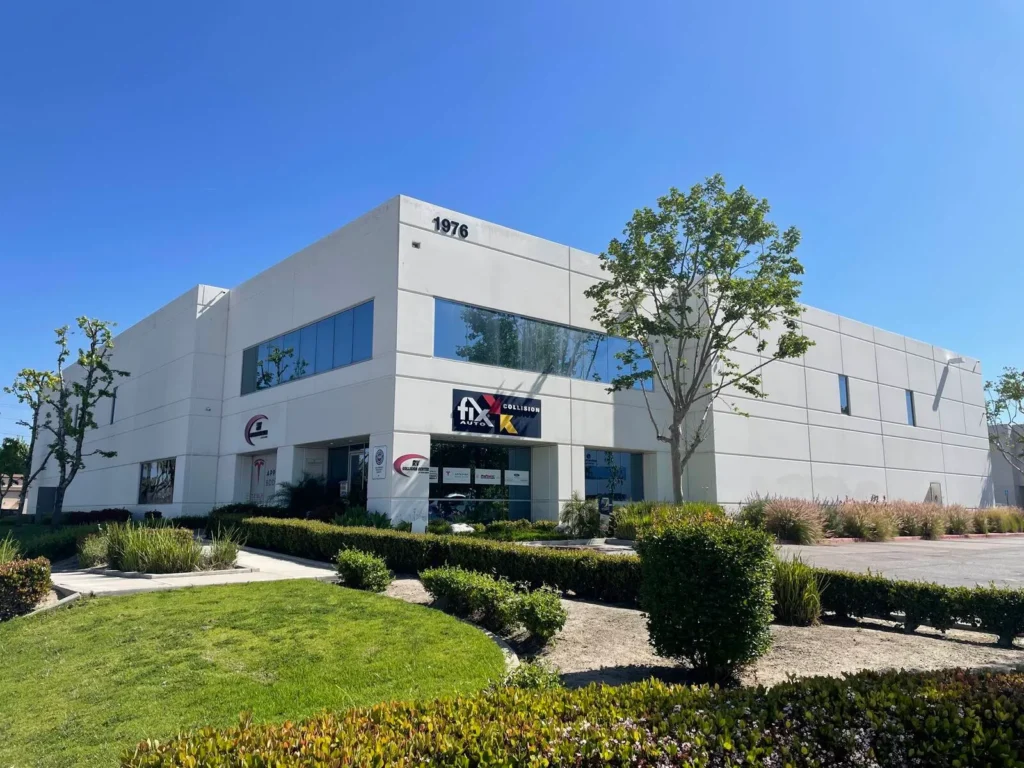
Receiving a collision repair estimate can often feel like being handed a document written in a foreign technical language. Whether you are a Tesla owner in Redlands navigating a complex electronics claim, a family dealing with a motorhome collision repair after a cross-country trip, or a local commuter with a damaged sedan, the document you receive from a body shop is the blueprint for your vehicle’s restoration. At RVCCR, we have spent 21 years as a family-owned, multi-certified collision center, and we believe that transparency is the bedrock of trust.
A professional estimate is far more than a simple price quote; it is a legal and technical roadmap that details every nut, bolt, and labor hour required to return your vehicle to its factory-original safety standards. When dealing with modern vehicles: especially those with Advanced Driver Assistance Systems (ADAS) or complex RV coach construction: the sheer volume of line items can be overwhelming. Understanding the difference between a "Remove and Install" (R&I) and an "Overhaul" (O/H) can be the difference between a vehicle that looks repaired and a vehicle that is truly safe to drive.
The complexity of a modern repair estimate reflects the complexity of the vehicles themselves. A single bumper replacement on a new Ford or Tesla is no longer a matter of four bolts and a spray gun; it involves ultrasonic sensor recalibration, blind-spot monitor alignment, and often, a comprehensive pre-repair diagnostic scan. The final total at the bottom of the page is often the least important number in the document…
The Estimate Decoder: Understanding Standard Operation Codes
Every line on a professional collision estimate begins with an operation code. These codes are standardized across the "Big Three" estimating platforms: CCC ONE, Mitchell, and Audatex. These systems provide the labor times based on manufacturer-validated data, ensuring that the time allotted for a repair is rooted in engineering reality rather than guesswork.
R&I: Remove and Install
This is one of the most common codes you will see. It indicates that a part is being removed from the vehicle and then reinstalled later. This is usually done to gain access to damage behind the part or to protect the part during the painting process. For example, a door handle might be R&I'd so the door can be painted properly without leaving a "tape edge" around the handle. If you do not see R&I line items for trim pieces, emblems, or belt moldings on an estimate that includes painting, it is a significant red flag. It suggests the shop may be planning to "mask off" parts rather than removing them, which often leads to peeling paint or visible overspray at the edges.
R&R: Remove and Replace
Unlike R&I, R&R means the original part is damaged beyond repair or is a "one-time use" component (such as certain high-strength steel bolts or interior clips). The old part is discarded, and a new one is installed. On certified auto collision repair estimates, R&R items should be clearly labeled as to whether they are being replaced with OEM, aftermarket, or recycled parts.
RPR: Repair
This code indicates that the technician will be fixing the existing part. This could involve "metal work" (pulling dents and straightening using a stud welder and slide hammer), "plastic repair" (using specialized nitrogen welding on bumper covers), or "fiberglass repair" on an RV coach. The labor hours for RPR are often "judgment items," meaning the estimator calculates the time based on the severity of the damage rather than a fixed database time.
O/H: Overhaul
Usually reserved for complex assemblies like bumper covers, mirror assemblies, or mechanical components, O/H means the entire assembly is removed and completely disassembled into its individual pieces. Each piece is inspected for hairline cracks, and the assembly is then put back together. For a front bumper on a modern SUV, an O/H might involve removing the grille, the fog lights, the distance sensors, and the internal impact bar.
BLND: Blend
Blending is the "art" side of collision repair. Because of how metallic and pearl paints lay down, it is nearly impossible to paint only one door and have it perfectly match the original paint on the adjacent fender. "Blending" means the technician will spray the new color onto the repaired panel and then progressively "mist" it into the neighboring panel so the human eye cannot detect the transition. If your estimate doesn't include blending on adjacent panels for a metallic car, the color match will likely be visible in direct sunlight.

How Labor Hours Are Calculated: The Standard of Time
Many customers are surprised to see that a repair taking three days has "30 hours" of labor on the estimate. This is because collision repair uses "flat-rate" hours. These are not 60-minute "clock hours" but rather "units of work" defined by the estimating software (CCC, Mitchell, or Audatex).
If the Mitchell database says a 2024 Ford F-150 fender takes 2.8 hours to replace, that is the standard time a certified technician is expected to take. This ensures consistency and fairness. However, there are different categories of labor, each with its own hourly rate based on the specialized equipment required:
- Body Labor: General metal work, panel replacement, and structural alignment.
- Refinish Labor: Preparation, masking, painting, and polishing.
- Mechanical Labor: Suspension, cooling systems, and engine work. This rate is usually higher due to the specialized mechanical tools and ASE certification required.
- Frame/Structural Labor: High-precision work involving a 3D electronic measuring system and a heavy-duty frame rack.
- Coach Labor (RV Specific): In motorhome collision repair, coach labor covers the "house" side of the vehicle: carpentry, plumbing, electrical, and lamination repair.
The Quality Spectrum: Deciphering Parts Categories
The "Parts" column of your estimate is where the quality of your repair is truly determined. Insurance companies often push for lower-cost parts to reduce claim payouts, but as a factory-certified shop, RVCCR prioritizes OEM standards to maintain your vehicle's warranty and safety ratings.
- OEM (Original Equipment Manufacturer): These are brand-new parts from the vehicle's manufacturer (e.g., Tesla, Ford, Subaru). They are the only parts guaranteed to fit perfectly and perform exactly as the original in a subsequent crash.
- Aftermarket / QRP (Quality Replacement Parts): These are new parts made by a third-party company. While some (like CAPA-certified parts) are decent, many do not meet the same structural or corrosion-resistance standards as OEM.
- LKQ (Like Kind and Quality) / Recycled: These are used OEM parts salvaged from a donor vehicle. For non-structural items like a door shell or a trunk lid, LKQ parts can be a high-quality, eco-friendly option, provided they are inspected for previous damage or rust.
- Remanufactured: Usually mechanical parts (steering racks, alternators) that have been rebuilt to factory specs.
Paint and Materials: The Math Behind the Finish
You will notice a line item for "Paint and Materials" (often abbreviated as P&M). This isn't just a random fee; it is usually calculated by multiplying the Refinish Labor hours by a set material rate (e.g., $45.00 per hour). This covers the cost of the primer, the base coat, the clear coat, the sandpaper, the masking tape, and even the specialized cleaners used to prep the surface.
For high-end finishes or complex multi-stage paints (like Tesla's Pearl White Multi-Coat), there may be an "Additional Labor" line for "Three-Stage Refinish." This accounts for the extra time and material required to apply a translucent "mid-coat" that gives the paint its depth and shimmer.
EV and Tesla Specific Line Items: The Safety Multiplier
If you own an Electric Vehicle, your estimate should look significantly different than one for a gas-powered car. Because of the high-voltage systems and structural battery packs, there are critical safety steps that must be itemized.
At RVCCR, we emphasize the importance of an EV battery safety inspection after a collision, and you should see the following on your estimate:
- High-Voltage Service Disconnect (HVSD): This is the labor to safely isolate the battery before any work (especially welding or painting in a heated booth) begins.
- Pre-Repair Diagnostic Scan: A computer "health check" to identify "hidden" fault codes in the ADAS or battery management systems that may have been triggered by the impact.
- Post-Repair Calibration: Any time a sensor is moved (even by a fraction of a millimeter) or a bumper is removed, it must be electronically recalibrated. If this isn't on your estimate, your Automatic Emergency Braking or Lane Keep Assist may not function correctly.

RV and Motorhome Estimating: Coach vs. Chassis
RV estimates are uniquely challenging because they combine a vehicle chassis (like a Ford F-53 or Freightliner) with a custom-built home. A proper RV collision estimate must separate these two worlds.
The Lamination and Sealant Factor
On the "Coach" side, you will see line items for things like "Lamination Repair" or "Fiberglass Gelcoat." These are labor-intensive processes that require controlled environments. One item that is often missed on cut-rate estimates is "Sealant and Adhesives." Every time a panel or trim piece is moved on an RV, the seals must be completely stripped and replaced with high-grade Dicor or Sikaflex sealants to prevent future water intrusion and mold.
The Parts Lead Time Reality
When reviewing an RV estimate, keep in mind that RV parts lead times are stretching to 18 weeks for certain specialized components like front caps or custom decals. A professional shop will denote if a part is "Backordered" or requires custom fabrication, which impacts the "Loss of Use" portion of your insurance claim.
Red Flags: What Is Missing from Your Estimate?
Sometimes, the most important information is what isn't on the page. If you are comparing estimates in Redlands, look for these common omissions that signal a shop is cutting corners:
- Missing Scanning/Calibration: As mentioned, modern cars require scans. If a shop says "we only scan if a light is on," they are ignoring OEM safety protocols.
- Generic "Body Labor" Blocks: A professional estimate breaks down labor by the specific part (e.g., "Repair Front Bumper – 2.0 hrs"). If you see a single line for "Body Labor – 20 hrs," the shop isn't being transparent about where that time is going.
- No Teardown/Blueprinting Provision: Most accidents have "hidden damage" behind the plastic covers. A shop that writes an estimate based only on what they can see from the outside is setting you up for a massive price jump later.
- Missing Corrosion Protection: When metal panels are welded or repaired, the factory e-coat is destroyed. The estimate must include a line item for "Corrosion Protection" (cavity wax and epoxy primers) to prevent your car from rusting from the inside out within two years.
The Supplement Process: Why the Price Might Change
It is important to understand the difference between an Estimate and a Final Repair Order. The initial estimate is often a "visible damage" report. Once you authorize the repair, the shop begins the "Blueprinting" or "Teardown" phase.
During teardown, technicians remove the outer panels to inspect the underlying structure. It is very common to find a cracked headlight bracket or a bent radiator support that wasn't visible from the outside. The shop will then issue a Supplement. This is an additional estimate for the newly discovered damage that is sent to the insurance company for approval. Supplements are a normal part of a thorough, high-quality repair process.

Questions to Ask Before You Sign
Before you authorize any work, a reputable shop should be able to answer these questions clearly:
- "Are you using OEM repair procedures for my specific VIN?"
- "Will you provide a copy of the pre- and post-repair diagnostic scans?"
- "What is your process for documented ADAS calibration?"
- "Do you offer a written lifetime warranty on your workmanship?" (RVCCR provides this on all collision work).
- "How do you handle supplements if you find more damage once the bumper is off?"
Restore Your Vehicle and Your Confidence
The goal of a collision repair is not just to fix a dent; it is to restore the structural integrity and safety systems that protect your family. Dealing with an insurance claim and a damaged vehicle is stressful enough: your estimate should provide clarity, not confusion. By understanding these codes and categories, you move from being a bystander to an informed advocate for your vehicle’s health.
Whether you are navigating the high-tech requirements of a Tesla, the structural complexities of a 40-foot motorhome, or the factory standards of your daily driver, our team is here to guide you through every line item. We handle the insurance coordination, the technical calibrations, and the precision paint work all under one roof.
Reclaim your safety. Restore your vehicle's value. Get back to your next adventure with the peace of mind that only certified expertise can provide.
Need a repair estimate?
Skip the wait — send us a few photos and our team will get back to you fast.
Start a Photo Estimate →