RV Collision Repair and Your Resale Value: What Actually Matters in 2026
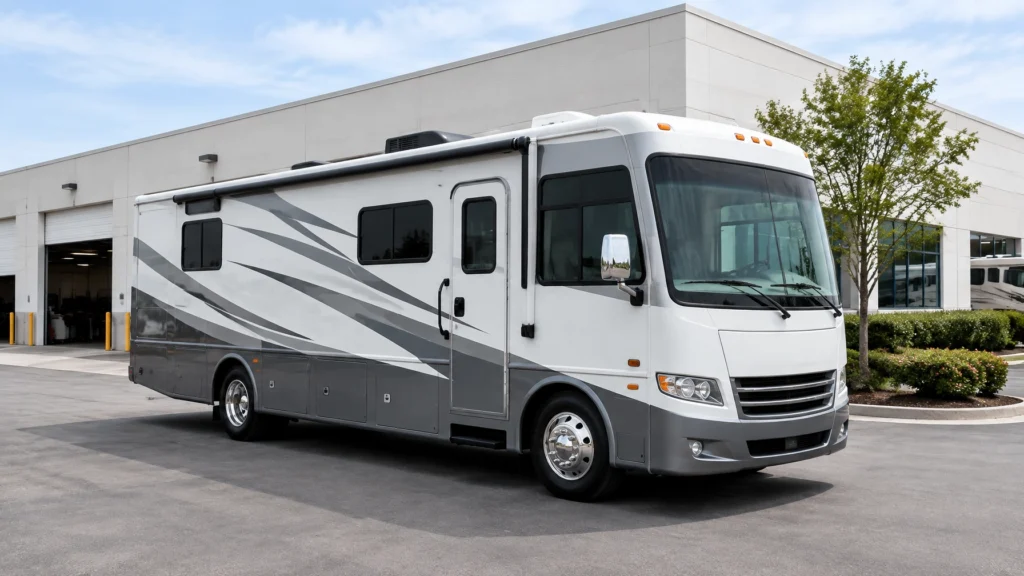
RVCCR is RVDA certified for RV repair and collision work, and our team also performs certified auto collision, paint, and mechanical repairs under one roof. As of September 16, 2026, that combination matters because an RV’s resale value after a collision depends on more than whether the damaged panel looks smooth. Buyers, dealers, and appraisers want evidence that the structure, paint, seals, systems, and repair records were handled correctly…
A collision can affect value even when the RV looks excellent from the outside. The size and construction of a motorhome, fifth wheel, travel trailer, or toy hauler can hide damage behind exterior panels, roof materials, cabinetry, slide openings, and sealants. The repair facility you choose: and the documentation you receive: can determine whether a future buyer sees a professionally restored RV or an unresolved risk…
The short answer: repair quality and proof matter together
A prior collision does not automatically make an RV impossible to sell. It does create questions that a buyer or appraiser will want answered:
- What was damaged?
- Was the damage cosmetic, structural, mechanical, or water-related?
- Were the correct parts and repair procedures used?
- Was the RV measured and tested after the repair?
- Are the roof, walls, compartments, slides, windows, and seams watertight?
- Does the paint match in changing light?
- Are invoices, photographs, measurements, and warranty records available?
- Was the damage disclosed accurately?
- Can the buyer verify that the repair was completed by a qualified facility?
A professional RV collision repair process should answer those questions with records rather than assurances. Good workmanship improves the physical condition of the RV. Good documentation helps a future buyer understand and trust that workmanship.
That distinction is important. Documentation does not erase an accident history, and no responsible repair facility should promise that a collision will have no effect on resale value. Instead, a complete repair file can reduce uncertainty. It gives a buyer something objective to review and gives an appraiser a clearer basis for evaluating the unit.
What buyers and appraisers actually examine
A buyer may begin with the visible finish, but a serious inspection usually goes further. The most important resale factors generally fall into five categories:
- Repair history and documentation
- Parts and repair procedures
- Paint, graphics, and exterior fit
- Structural alignment and mechanical function
- Water intrusion history and sealing
The order can vary depending on the RV and the type of collision. A minor scrape on a compartment door is not evaluated the same way as impact damage to a front cap, roof edge, slide opening, chassis component, hitch, frame rail, or motorhome windshield area.
A future buyer also considers the RV’s title and history. The California Department of Motor Vehicles explains that a title brand records certain conditions or events in a vehicle’s history. Its official Branded Titles guidance identifies “salvaged” vehicles as those involved in an accident or other event that caused considerable damage. A revived salvage vehicle remains a different resale proposition from a clean-title RV that received a repair without being declared a total loss.
That difference should be addressed early, not hidden until the buyer discovers it independently.
1. A documented repair history protects value better than an undocumented repair
A future buyer cannot see every step performed inside a wall, under a roof membrane, behind a front cap, or beneath a painted panel. If there is no repair file, the buyer may have to assume the worst.
A complete file should tell a chronological story:
- Date and location of the incident, when known
- Description of the impact or loss
- Photographs before repairs began
- Initial estimate
- Supplemental estimates discovered during teardown
- Photographs of disassembled areas
- Parts invoices and part descriptions
- Structural measurements, if applicable
- Moisture readings or water-intrusion records, if applicable
- Paint and graphics documentation
- Final invoice
- Post-repair inspection or operational checks
- Warranty documents
- Follow-up maintenance and inspection records
The file should be organized by the RV’s vehicle identification number, trailer identification number, or other identifying information. Keep both digital and printed copies when possible. Digital images should retain their original dates and should not be edited in a way that removes useful information.
A repair invoice that simply says “body work completed” is not as useful as an itemized invoice identifying the affected area, parts replaced, repair operations, and any relevant inspection or testing. The purpose is not to overwhelm a buyer with paperwork. It is to make the repair understandable.
Supporting visual: documentation that follows the repair

If you are still dealing with an insurance claim, keep the estimates and supplements together. Hidden damage often becomes visible only after teardown. The initial estimate may not reflect the full scope, especially when exterior damage conceals damage to framing, mounting points, wiring, insulation, plumbing, or sealing surfaces.
Our article on RV collision repair in the Inland Empire after an accident explains why a post-accident inspection and restoration plan should account for more than the first visible dent.
2. OEM parts and documented part choices affect buyer confidence
When an RV is repaired, the parts used can affect fit, appearance, function, durability, and future serviceability. A future buyer or appraiser may ask whether the repair used genuine manufacturer parts, approved equivalent parts, salvaged parts, or aftermarket components.
The answer should appear in the repair records.
For example, documentation may identify:
- Manufacturer or supplier
- Part description
- Part number
- Whether the component was new, used, refurbished, or aftermarket
- Any warranty associated with the part
- Whether the part required modification or additional finishing
- Whether adjacent components were inspected for compatibility and fit
OEM parts are not a magic guarantee of a perfect repair, and an “OEM” label by itself does not prove that the repair was completed correctly. However, documented part sourcing can give a buyer more confidence that the replacement component was selected for the RV’s particular design.
This is especially relevant for:
- Front and rear caps
- Compartment doors
- Entry doors
- Windows and windshield assemblies
- Slide-room components
- Roof and wall materials
- Exterior moldings and trim
- Lighting and electrical components
- Hitch, pin box, receiver, and chassis-related parts
- Safety-system components on motorhomes
If an insurer or owner approves a non-OEM part, keep the written explanation, part information, and warranty documentation. The objective is transparency. A well-documented alternative part is easier to evaluate than an unknown component installed without a record.
RVCCR restores vehicles toward manufacturer specifications using OEM parts where appropriate and documents the work performed. That approach gives the next owner more information than a vague statement that the RV was “fixed.”
3. Paint match quality is more than color at the repair shop
A poor paint match is one of the easiest signs for a future buyer to notice. RVs often have large sidewalls, multiple graphic panels, molded caps, textured materials, and long uninterrupted surfaces. A slightly different color or gloss level can become obvious in direct sunlight, shade, or overcast conditions.
A professional RV paint and body shop should evaluate more than the paint code. Resale-relevant details include:
- Color identification and formulation
- Paint condition on adjacent panels
- Fading caused by age and sun exposure
- Blending requirements
- Clear-coat or protective-finish consistency
- Graphic and decal alignment
- Panel texture
- Trim and molding fit
- Overspray prevention
- Repaired seams and edges
- Final inspection in different lighting conditions
A replacement panel may have the correct original color code and still appear different from an older surrounding panel because the original finish has weathered. Professional blending may be necessary to create a visually consistent result. The repair file should identify the work performed rather than leaving the buyer to guess why several panels were refinished.
Supporting visual: checking the finished paint match

The finished inspection should also look at panel gaps and alignment. A straight paint finish cannot compensate for a compartment door that sits unevenly, a front cap that is not centered, a window seal that is distorted, or a slide opening that does not operate correctly.
Cosmetic quality is therefore both an appearance issue and a signal. Clean alignment, consistent finish, and properly restored graphics suggest that the repair was controlled. Uneven gaps, mismatched gloss, cracked sealant, or visible overspray suggest that additional questions may be necessary.
4. Cosmetic damage and structural damage have different resale consequences
Not every collision affects an RV in the same way.
Cosmetic damage
Cosmetic damage may include:
- Scraped graphics
- A dented exterior panel
- A damaged compartment door
- Cracked trim
- Surface paint damage
- A bumper cover or non-structural fascia issue
- A removable molding or light bezel
The value impact may be more manageable when the repair is clean, properly blended, fully functional, and well documented. A buyer still deserves an accurate explanation, but the inspection questions may center on finish quality, corrosion protection, fit, and whether hidden damage was ruled out.
Structural or system-related damage
Structural or system-related damage can involve:
- Chassis or frame components
- Front or rear cap mounting areas
- Roof edges and roof framing
- Wall framing or laminated wall sections
- Slide-room openings
- Windshield openings
- Hitch, pin box, receiver, or suspension areas
- Suspension or steering components
- Wiring, plumbing, or propane-related systems
- Safety restraints or vehicle safety systems
- Water-damaged flooring, insulation, or wall materials
These repairs require stronger documentation because appearance alone is not enough. A future buyer may reasonably want measurements, photographs of exposed areas, records of replacement materials, sealing information, and evidence that related systems were tested.
California’s Bureau of Automotive Repair states that revived salvage vehicles must pass a vehicle safety systems inspection before they can be registered and driven again. Its official safety systems inspection guidance identifies body structure, brakes and lights, passenger compartment, steering and suspension, tires and wheels, onboard diagnostics, recalls, and a road test among the inspection areas. BAR also states that improper repairs must follow the original equipment manufacturer’s repair specifications.
That inspection is specific to the revived-salvage process. It is not a substitute for a complete RV collision repair file, and it does not mean every professionally repaired RV has a salvage title. It does illustrate why structural and safety-related evidence matters when a vehicle’s history is evaluated.
5. Structural repair documentation can answer difficult questions years later
An RV may be sold months or years after the repair. By then, the technician who completed the work may no longer remember the details, and the owner may not remember which components were replaced. A measurement report and photo record preserve the information.
For structural repairs, ask whether the file can include:
- Pre-repair photographs
- Teardown photographs
- Identification of damaged structural components
- Reference points or measurement information
- Before-and-after measurements when available
- Alignment or suspension records where applicable
- Photographs of repaired and replaced components
- Notes on manufacturer procedures used
- Records of weld, fastener, adhesive, or sealant operations when relevant
- Final inspection notes
- Operational checks for doors, compartments, windows, slides, and related systems
Not every RV repair will involve the same measurement method or a separate printed report. The appropriate process depends on the vehicle, construction, damage, and manufacturer information available. The important point is that the final file should accurately state what was inspected and what was repaired.
Avoid asking a shop to create a document that claims tests or measurements were performed when they were not. Honest, specific records are more valuable than impressive-sounding paperwork.
6. Water intrusion history can affect resale long after the collision
Water intrusion is one of the most important resale concerns after RV collision repair. An impact near a roof edge, corner, window, front cap, slide wall, compartment, or exterior seam can create an opening that is not immediately obvious.
Water damage can also be difficult to evaluate after the visible surface has been repaired. A buyer may look for:
- Staining
- Soft flooring
- Swollen wood products
- Delamination
- Musty odors
- Discolored cabinetry
- Bubbling wall surfaces
- Cracked or inconsistent sealant
- Evidence of prior drying or demolition
- Corrosion around hardware
- Water marks in compartments or underbelly areas
A good repair record should distinguish between what was inspected and what was repaired. If moisture was found, the file should identify the affected areas, the source or suspected entry path, the materials removed or replaced, and the sealing or testing steps performed.
No single moisture reading can prove the complete history of an RV. Readings can vary with materials, weather, temperature, and location. The most useful record combines photographs, locations, measurements or observations, repair operations, and final verification.
Supporting visual: structural and moisture verification

The roof deserves particular attention because roof damage can create long-term problems even when the sidewall repair appears finished. Our article on why professional RV roof replacement and sealing matter explains why a temporary patch should not be treated as the same thing as a properly prepared and sealed repair.
If the collision caused water intrusion, do not describe the RV as having “no water history.” Instead, explain what happened and provide evidence that the affected areas were inspected and repaired.
7. How the repair shows up during an inspection years later
A future inspection may reveal both the quality of the original repair and the quality of the RV’s maintenance since that repair.
A repaired RV can present well when:
- Panel gaps remain consistent
- Doors and compartments open and close normally
- Slide rooms operate evenly
- Windows remain properly sealed
- Roof and sidewall sealants remain intact
- Graphics are aligned and adhered
- Paint has aged consistently
- There is no evidence of recurring water intrusion
- Chassis and suspension components function properly
- Electrical, plumbing, and mechanical systems operate as expected
- Repair records match the visible condition
It can raise questions when:
- A repaired panel has a different gloss or color
- A seam has cracked or separated
- Sealant has been applied unevenly
- A compartment door is difficult to latch
- A slide opening shows irregular gaps
- A roof repair has multiple layers of unidentified patch material
- Interior materials show unexplained stains or swelling
- The owner cannot identify the repair facility or date
- The invoice does not identify what was replaced
- The warranty cannot be located
These signs do not automatically prove that a repair was unsafe or incomplete. They do indicate that a buyer or appraiser may request additional inspection. A complete repair file allows the discussion to begin with facts.
8. What documentation should you keep for resale?
Create one permanent “RV repair and ownership” file. At minimum, keep:
Incident records
- Date of loss
- General description of what happened
- Photographs of the original damage
- Insurance claim information
- Police or incident report, if applicable
- Temporary protection or storage records
Repair records
- Initial estimate
- Teardown authorization
- Supplements
- Final itemized invoice
- Parts descriptions and part numbers
- OEM or alternative-part information
- Labor and repair-operation notes
- Paint or graphics information
- Sealant and water-intrusion records
- Structural measurements or alignment reports
- Operational and final inspection notes
Warranty records
- Written collision repair warranty
- Paint and finish warranty
- Structural warranty, if provided
- Parts warranties
- Mechanical or system warranties
- Instructions for making a warranty claim
- Terms addressing future ownership
Ongoing ownership records
- Roof inspections
- Sealant maintenance
- Mechanical service
- Tire and suspension records
- Generator service
- Slide-room maintenance
- Water-intrusion inspections
- Post-repair photographs
- Independent inspection reports
Save high-resolution photographs in original form and label them clearly. “IMG_4012” is less useful than “2026-09-16 rear passenger compartment before repair.” If your repair facility supplies photographs, ask whether the images can be delivered electronically for long-term storage.
9. How a written lifetime warranty supports resale value
A written lifetime warranty can reduce a buyer’s concern about workmanship, but its value depends on the actual terms.
A buyer may want to know:
- What work is covered?
- Is the warranty limited to workmanship?
- Are parts covered separately?
- Does it cover paint, corrosion, structure, or water intrusion?
- Are there exclusions?
- Is maintenance required?
- Is the warranty tied to the original owner or the vehicle identification number?
- Can it transfer to a subsequent owner?
- What documentation is needed to make a claim?
- Is the shop still available to perform warranty work?
RVCCR backs its collision repair work with a written lifetime warranty. Owners should retain the original document and ask the shop to clarify transferability before advertising the warranty as transferable. If the warranty transfers only under specific conditions, keep evidence that those conditions were met.
Even when a warranty does not automatically transfer, it can still support resale value by showing that the original repair facility stood behind its workmanship and that the owner retained the repair records. A buyer may also be able to contact the facility and confirm the warranty terms, subject to the shop’s policies.
Do not promise a future buyer more coverage than the warranty provides. Accurate wording builds more trust than an exaggerated warranty claim.
10. When should you disclose prior collision damage?
The practical answer is: disclose it before the buyer has to discover it.
Explain:
- That a collision or other incident occurred
- The approximate date, if known
- The areas repaired
- Whether the damage was cosmetic or structural
- Whether water intrusion was involved
- Where the repair was completed
- What documentation is available
- Whether the title was ever branded or declared salvage
- Whether a warranty remains available
In California, the DMV’s official branded-title guidance says sellers, including dealerships, are legally required to disclose a vehicle’s salvage title and history. Its total-loss guidance explains that a vehicle declared a total-loss salvage may receive a Salvage Certificate. The title status is not interchangeable with an ordinary collision repair on a clean-title vehicle.
If the RV has a salvage, revived salvage, or other branded title, make that status clear in the listing and sale documents. The California DMV total-loss and salvage information should be reviewed for the current requirements, and sellers should seek qualified legal advice for a specific transaction.
For an RV that was repaired but not declared a total loss, provide the repair history anyway. A clean title does not mean a vehicle has no accident history, and a clean title should never be used to imply that the RV was never damaged.
A straightforward disclosure can sound like this:
“The RV sustained collision damage to the passenger-side exterior and front compartment area in 2026. Repairs were completed by a certified RV collision facility. The repair file includes photographs, itemized invoices, parts information, inspection records, and warranty documentation. The title status is available for review.”
Adjust the wording to match the actual records. Do not describe structural work as cosmetic, and do not claim that water intrusion was absent unless the records support that statement.
11. What a seller should do before listing the RV
Before putting the RV on the market:
- Review the repair file. Confirm that the invoice, photographs, warranty, and inspection documents are complete.
- Inspect the exterior in multiple lighting conditions. Look at the RV in direct sun, shade, and overcast light.
- Check all repaired functions. Operate doors, windows, compartments, slides, lights, appliances, and other affected systems.
- Inspect roof and seams. Look for cracked sealant, lifting edges, staining, or soft areas.
- Confirm title status. Be prepared to show the title and explain any brand.
- Arrange an independent inspection if the repair was significant. A current report can give a buyer more confidence and may identify maintenance items before negotiations.
- Prepare a concise repair summary. Give the buyer the facts first, then provide the complete file for review.
- Price honestly. Repair quality can protect value, but it does not justify inventing a premium or ignoring comparable RV condition.
A buyer may still negotiate because the RV has a collision history. That is normal. The goal is to prevent uncertainty from becoming an unnecessary discount based on missing information.
12. Why the right RV collision facility matters
RV collision repair is not simply automotive body work performed on a larger vehicle. The construction may combine fiberglass, aluminum, laminated walls, framing, roof membranes, sealants, cabinetry, plumbing, electrical components, slides, chassis systems, and mechanical equipment.
A qualified facility should be able to coordinate:
- Damage inspection
- Insurance documentation
- Teardown and hidden-damage review
- Structural and body repair
- Paint and graphics
- Roof and seam sealing
- Mechanical work
- Electrical and plumbing checks
- Final quality control
- Warranty documentation
That is why selecting a specialist matters for both the repair itself and the future record. An experienced RV repair facility understands that a finished exterior is only one part of a completed restoration.
RVCCR provides collision, paint, and mechanical repair for motorhomes, fifth wheels, travel trailers, toy haulers, and other RVs. We also coordinate with major insurance carriers and provide free estimates. Owners can begin with an RVCCR repair estimate and ask what documentation will be provided for their particular repair.
A practical resale-value checklist
Use this checklist when reviewing a completed RV collision repair:
Physical condition
- Panel gaps are even
- Paint and graphics match surrounding surfaces
- Doors, compartments, windows, and slides operate properly
- Roof and seams appear properly sealed
- No unexplained stains, odors, soft spots, or delamination are present
- Mechanical, electrical, plumbing, and safety systems function as expected
- The RV has been inspected after repair
Documentation
- Before-repair photographs are saved
- Teardown and repair photographs are saved
- Initial estimate and supplements are available
- Final invoice is itemized
- Parts and part numbers are identified
- Structural measurements are included when applicable
- Water-intrusion records are included when applicable
- Paint and graphics work is described
- Warranty document is available
- Warranty transfer terms are understood
- Title status is confirmed
- Incident history is summarized honestly
Resale preparation
- Repair history is disclosed before sale
- A buyer can review the repair file
- A current independent inspection is considered
- Ongoing maintenance records are included
- The asking price reflects condition and history
The repair is part of the RV’s next adventure
The purpose of high-quality motorhome collision repair is not only to make the RV presentable for a sale years from now. It is to restore a vehicle that your family can use safely and confidently today.
A properly repaired and documented RV gives you more than a smoother panel. It gives you a clearer ownership record, a stronger warranty file, and a better explanation when the time comes to trade or sell. It helps a future buyer see what was repaired, why it was repaired, and how the work was verified.
Choose an RV collision facility that documents the process, uses appropriate parts and procedures, checks for hidden structural and water-related problems, and stands behind its workmanship. Then preserve the records and disclose the history plainly.
Repair the damage. Verify the details. Protect the record. Get back to the road, the campground, and the next adventure with confidence.
Need a repair estimate?
Skip the wait — send us a few photos and our team will get back to you fast.
Start a Photo Estimate →